



©2026 Automation.com, a subsidiary of the International Society of Automation.
-

 ISA provides technical resources and standards to help industrial automation professionals advance their careers and the field. We enable automation professionals worldwide to solve problems and enhance their skills by bringing people together to create new technologies and share best practices with future automation professionals.
-
ISA Resources
-
Upcoming Events
-
Industry Insights
-
Consortia
-

Author Profile

Emily Newton
69 Results Found
-
 Feature
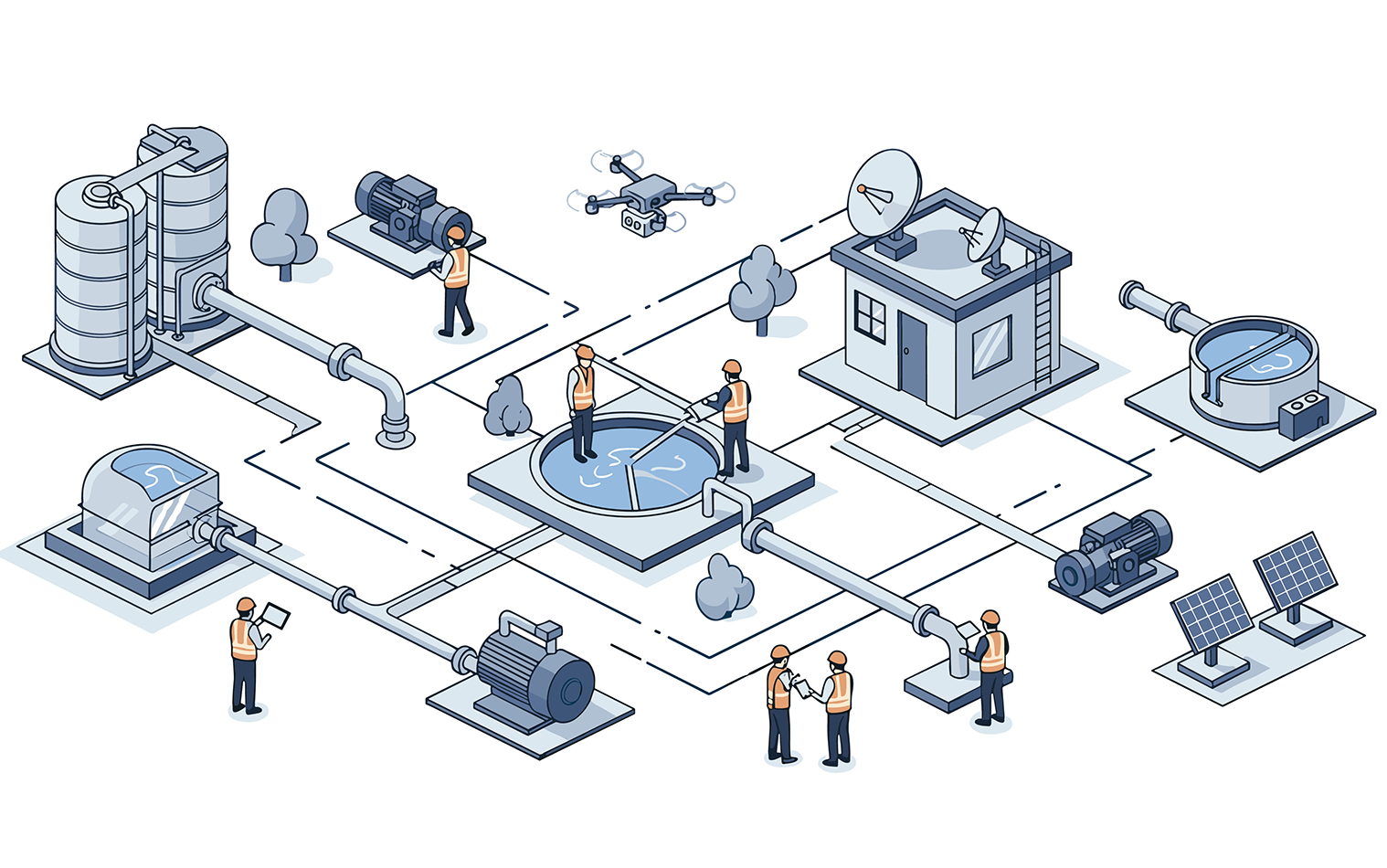
Optimizing VOC Removal With Automated Air Stripping
Automation enables wastewater treatment facilities to match treatment intensity to actual need in real time. That responsiveness translates directly into lower operating costs and reliable compliance. -
 Feature
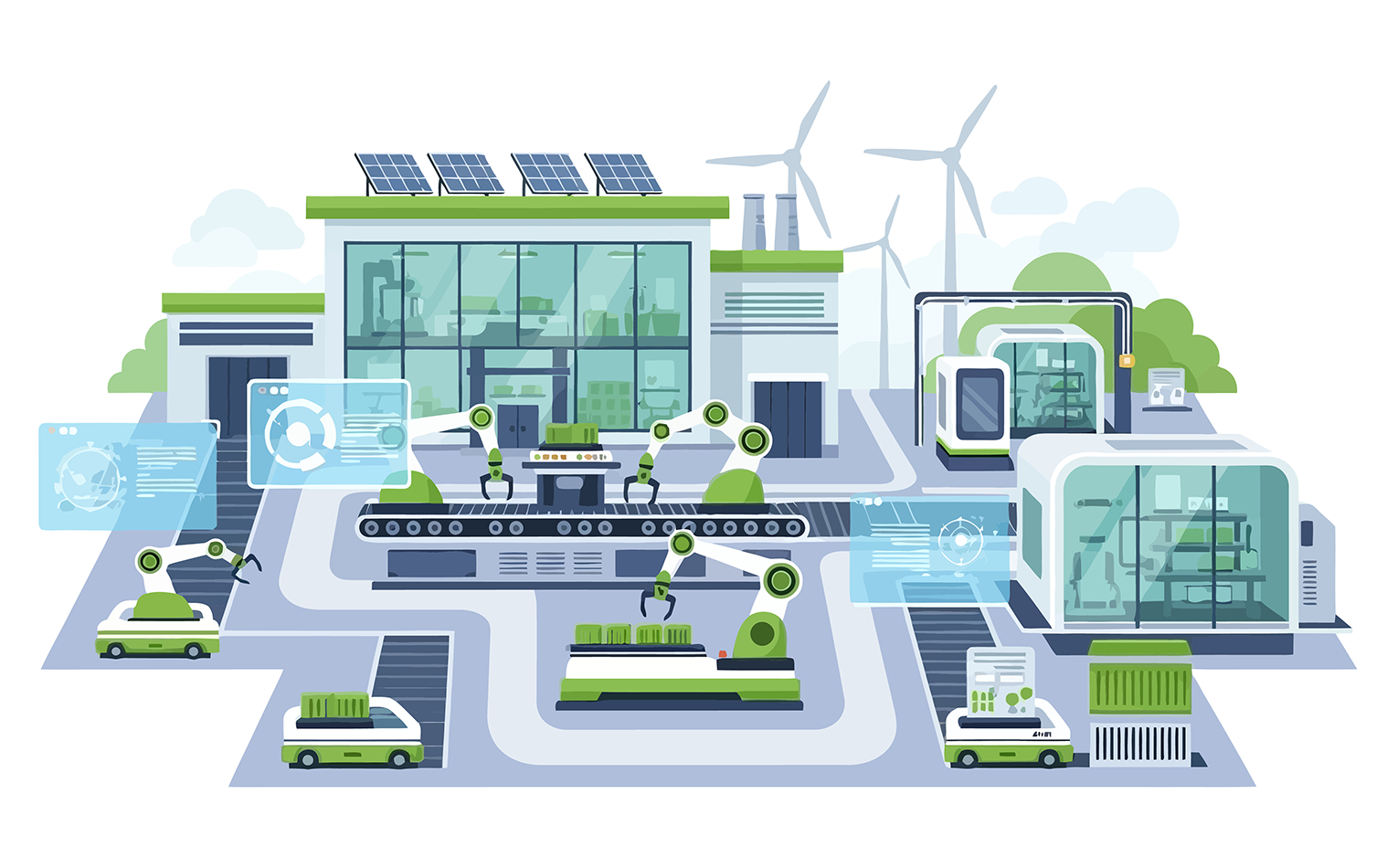
How Automation Is Becoming the Backbone of Tomorrow’s Clean‑Energy Ecosystems
Industrial automation in clean energy is transforming how electricity is produced, stored and delivered. -
 Feature
How to Integrate Digital Twins into Your OT Reliability Strategy
When operational digital twins are integrated into your reliability program, they can cut outages and extend asset life. -
 Feature
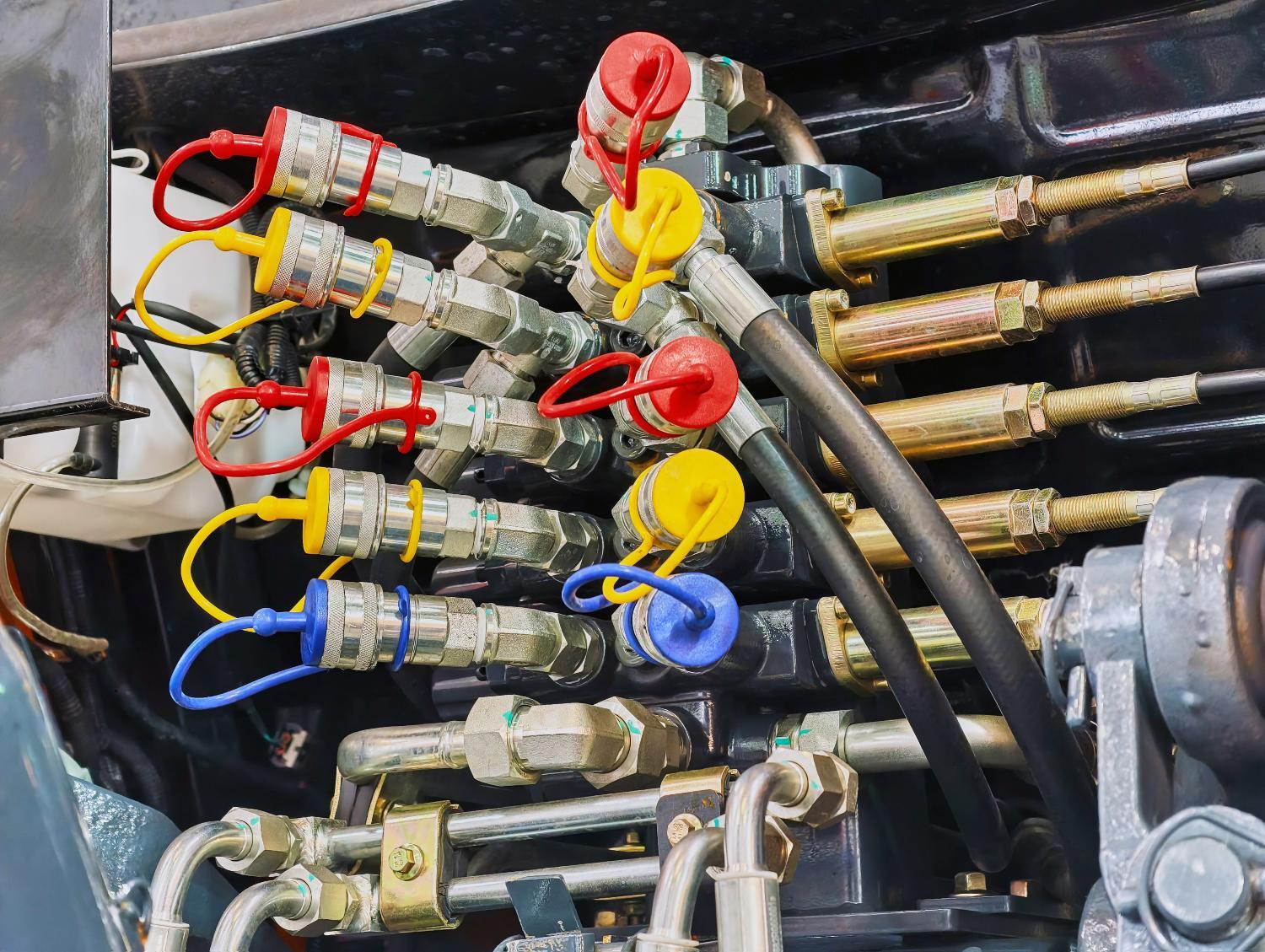
AI-Powered Fluid Testing Changes Electrical Infrastructure Maintenance
Using AI in fluid power systems testing promises many benefits for hydraulic and pneumatic systems, including heightened efficiency. -
 Feature
OT Modernization in Supply Chains: 4 Infrastructure-as-Code Strategies for Better Cloud Disaster Recovery
Infrastructure-as-code strategies can help supply chains modernize their OT operations and achieve better cloud disaster recovery. -
 Feature
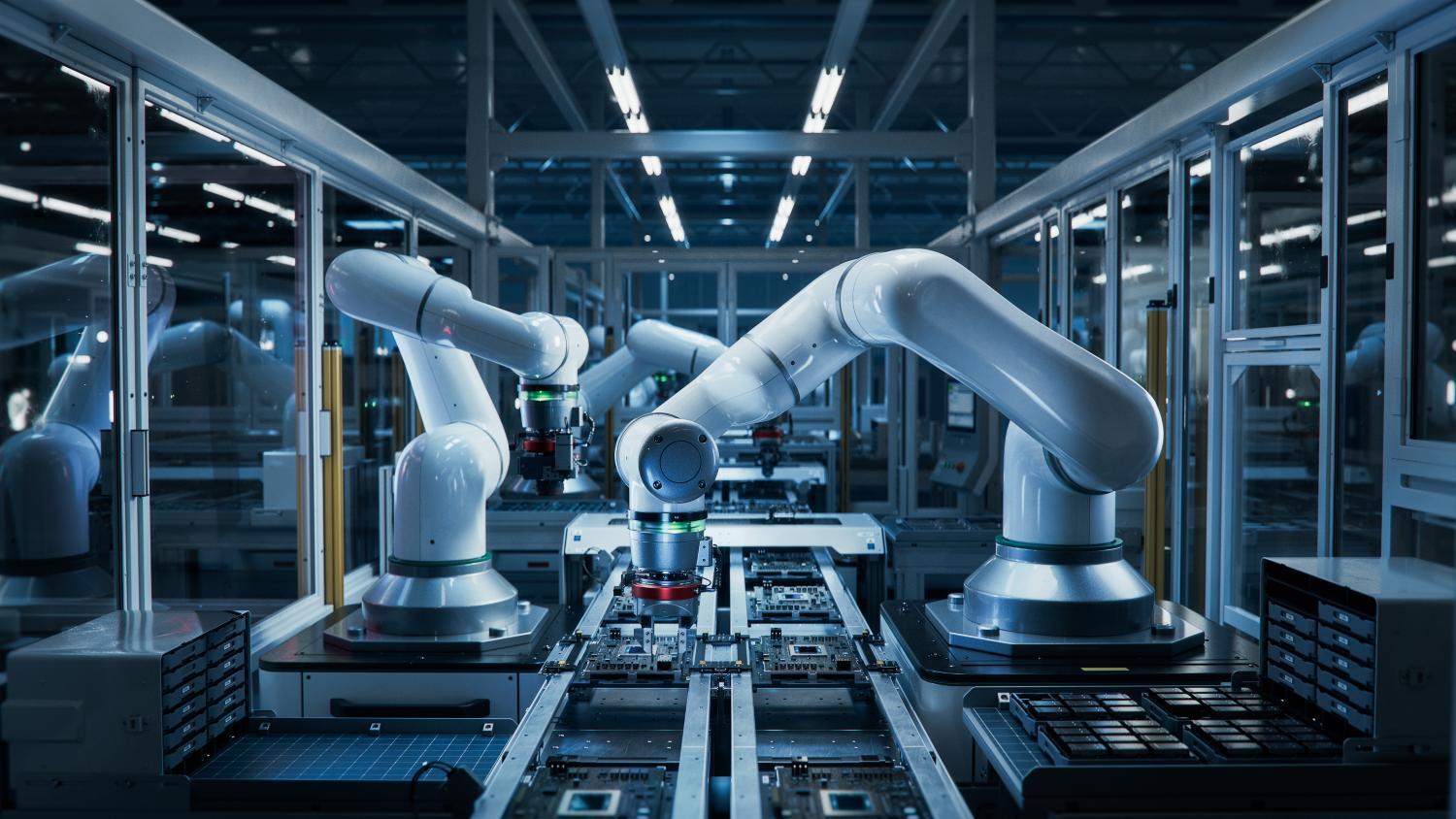
How Tariffs Are Reshaping Robotics Sourcing (And What to Do About It)
In early 2025, the robotics supply chain encountered unprecedented volatility due to global trade dynamics. Here's how suppliers are reshaping sourcing. -
 Feature
Next-Gen Gas Sensors Will Redefine Industrial Safety
Placing the appropriate sensors strategically throughout an area is an essential safety measure—outlined in various standards and regulations—that protects workers in many sectors today. -
 Feature
AI is the Game-changer Your Injection Molding Process Needs
In the ever-evolving world of manufacturing, artificial intelligence is transforming plastic injection molding. -
 Feature
AI Is the Game-Changer Your Injection Molding Process Needs
Understanding the benefits of AI in plastic injection molding can unlock unprecedented opportunities for your business. -
 Feature
What Drives the Success of Automated Packaging Processes?
Packaging automation can transform the logistics industry. However, it’s not as easy to capitalize on that potential as it may seem. -
 Feature
The Growing Importance of System Redundancy in Industry 4.0
As more organizations embrace digitization under Industry 4.0, those concerns have grown all the more prevalent. It’s now safe to say that thoughtful redundancy is essential for business continuity. -
 Feature
Four Reasons Automation Is the Future of Metal Fabrication
Although automated fabrication was once a relatively niche possibility, more shop managers consider it a viable option. -
 Feature
Four Reasons Why Automation Is the Future of Metal Fabrication
Automated metal processing can reduce injury rates and promote a safer and healthier workforce. -
 Feature
Three Ways Industry 4.0 Can Upgrade Industrial Water Treatment Methods
Industrial water treatment methods must evolve to remain relevant and efficient. -
 Feature
3 Ways Industry 4.0 Can Upgrade Industrial Water Treatment Methods
Industrial water treatment methods must evolve to remain relevant and efficient. Many decision-makers have investigated how Industry 4.0 technologies could help them meet numerous goals. -
 Feature
Is AI the Key to Unlocking Procurement Cost Savings?
As more people experiment with using artificial intelligence (AI) for real-life use cases, many wonder if their approach could bring procurement cost savings. -
 Feature
Eight Reasons to Harness the Power of Cobots for Superior Welding Automation
Welding with cobots helps organizations capitalize on this technology’s benefits while managing its shortcomings. -
 Feature
Improve Industrial Performance with Automated Energy Storage Solutions
Continuous access to energy can help companies across industries remain competitive and meet performance goals. -
 Feature
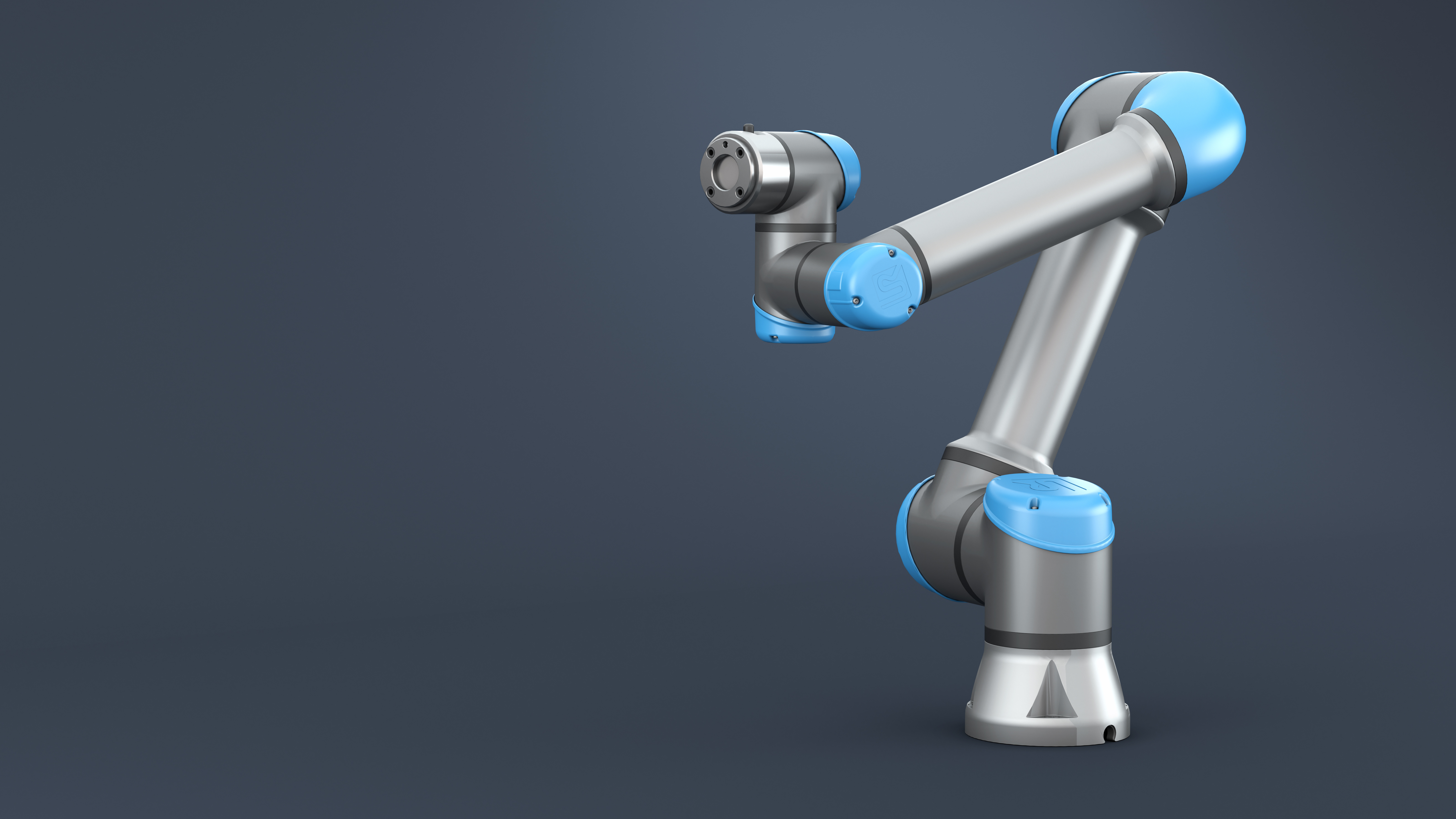
8 Reasons to Harness the Power of Cobots for Superior Welding Automation
Collaborative robots (cobots) offer a middle ground between entirely automated and entirely manual workflows -
 Feature
AI in Oil: Unleashing a New Era of Efficiency and Innovation
Many business leaders are rapidly exploring options for using artificial intelligence (AI) to improve productivity, reduce errors, manage costs and more. -
 Feature
Improve Industrial Performance With Automated Energy Storage Solutions
Industrial leaders realize how any surprise disruptions could have ripple effects across their organizations, resulting in lost profits, disappointed customers and the potential for material losses. -
 Feature
8 End-of-Arm Tooling Design Innovations Improving Robot Handling
Robots may already be common throughout the manufacturing industry, but the robotics market’s growth is far from over -
 Feature
What's Your Game Plan for Low-Cost Preventive Maintenance?
Designing a cost-effective preventive maintenance strategy for your team starts with a few essential techniques. -
 Feature
AI and IoT Drive Efficiency and Innovation in Modern Manufacturing
Learn how AI and IoT drive efficiency and innovation in modern manufacturing, like learning customer behavior and efficient production -
 Feature
5 Innovative Approaches to Improve Wire Bonding Techniques for High-Reliability Electronics
As the Internet of Things (IoT) grows, high-reliability electronics manufacturing is becoming increasingly important. Customer expectations around device performance and versatility are rising. -
 Feature
How Can AI Truck-Loading Robots Seamlessly Integrate With Existing Processes?
Artificial intelligence (AI)-powered truck-loading robots are starting to appear. -
 Feature
How Do Digital Heat Exchangers Improve Thermal Management in Factories?
Improving thermal management in factories will only become more important as time goes on. Learning how you can use new technologies to address this area is the first step to optimizing your operations ahead of that trend. -
 Feature
How to Use HVAC Digital Twins for Better Facility Operations
Digital twins provide improved visibility by facilitating planning, preparedness and predictions. Many people are increasingly interested in using them to monitor critical assets, like heating, ventilation and air conditioning (HVAC) systems. -
 Feature
Manufacturers Must Reduce Risk of Upstream and Downstream Supply Chain Attacks
Supply chain disruptions are among the most pressing issues for today’s manufacturers. While geopolitical tension and events like the COVID-19 pandemic have taken the spotlight in this area, another risk factor — cybersecurity — deserves attention, too. Upstream and downstream supply chain attacks pose serious risks to manufacturers and their partners. As manufacturers embrace Industry 4.0 technologies, their cyber vulnerabilities throughout the supply chain rise. Many organizations now realize the need to address these risks, but fewer understand that an interconnected supply chain means shared weaknesses between parties. The Importance of Supply Chain Cybersecurity Manufacturing experienced the most cyberattacks of any sector in 2022. One of the primary reasons manufacturers are such popular targets is because their attack surfaces are massive. In addition to a skyrocketing number of internet-connected devices, they have extensive third-party dependencies, opening them to supply chain attacks. Supply chains have digitized to increase efficiency and reliability, and parties share vast amounts of data. A manufacturer’s upstream suppliers, 3PLs and downstream partners may all have access to their systems and sensitive data. Consequently, an attack on one entity in the supply chain can affect everyone involved. One such attack in 2022 led an automaker to fall 13,000 vehicles behind production targets despite not targeting the manufacturer directly. Instead, it hit a parts supplier, leading to a network shutdown at its facility. As a result, the supplier couldn’t fulfill orders or communicate with its downstream customers. Other attacks could target a software provider to steal sensitive customer information from manufacturing partners. If a breach from a downstream supply chain partner reveals enough personal information about a manufacturer’s customers, it could also land them in legal trouble. These situations will become more likely as cybercriminals realize how much disruption they can cause through one attack. How to Reduce the Risk of Supply Chain Attacks Given how severe supply chain attacks can be, manufacturers must prevent them whenever they can and mitigate them when they can’t. Here are some strategies to reduce the risks of upstream and downstream attacks. Conduct a Risk Assessment Supply chains are large and complex, so it can be challenging to know your weak points. Consequently, performing a cyber-risk assessment is essential to reveal what makes your chain vulnerable and how you can address it. Third-party risk assessments should involve network mapping to show dependencies and penetration testing to judge the strength of existing cybersecurity measures. These services incur extra expenses but save money in the long term by preventing costly attacks. The average cost of a data breach in the U.S. reached $9.44 million in 2022, so the upfront cost is well worth the investment. You can’t defend what you don’t know is vulnerable, and that’s precisely what a risk assessment reveals. These tests should look at a manufacturer’s internal controls and processes and those of their upstream and downstream partners. Many organizations likely give too much access and information to too many parties. Thorough assessments bring these to light to inform more effective changes. Hold Supply Chain Partners to a Higher Standard Manufacturers should require more from their upstream and downstream partners. Just as some companies only work with those who meet certain ESG criteria, manufacturers should require proof of high security standards before working with anyone. This selection begins with researching potential partners’ security backgrounds before reaching out. Any business that has experienced a major breach or handled a cybersecurity incident poorly is a liability. You should also look for third-party security standards like ISO 27002 or NIST SP 800-53 certification. It’s important to remember that you can’t reasonably ask for something you don’t achieve on your own end. Manufacturers also should pursue cybersecurity certifications to offer assurance that they won’t jeopardize partners’ data either. Minimize Access Privileges Even if everyone in the supply chain meets higher security standards, attacks are still possible. No defense is 100% secure, and even the most experienced employees can still make mistakes that let attackers in. Given these risks, manufacturers must restrict who can access what data. The safest solution is to implement the principle of least privilege. This holds that every user, app and device should only be able to access the data and systems it needs to do its job. This may seem like limiting visibility at first, but it ensures one breach at any point in the network can’t jeopardize all your data. Minimizing access privileges is also an important way to stop insider threats. Over half of all organizations have experienced one in the last year, so preventing internal breaches is crucial. These are usually a matter of human error rather than malicious employees, but the effect is the same. Implement Continuous Monitoring Many technical controls necessary to stop supply chain attacks vary depending on the specific technology in use. However, some are essential in every situation. That’s the case with continuous monitoring. Continuous monitoring uses artificial intelligence (AI) to watch for suspicious activity across company devices and networks. If something off occurs — such as unusually large file transfers or a user trying to access a database they don’t normally need — the AI stops it and alerts IT staff. These quick responses are crucial for preventing internal and external breaches. Using AI also removes the need for a dedicated security operations team and enables faster, more accurate warnings. Create a Backup and Recovery Plan Even if every party in the supply chain implements these other steps, breaches are still possible. Despite rising awareness around cybersecurity, 68% of all organizations have experienced a cyberattack in the past year. These occurrences are too common to assume they’ll never happen to you, so you need a backup plan. Manufacturers must keep backups of all sensitive data and mission-critical systems, both offline and in the cloud. Every organization in the supply chain also needs a formal process for using these backups to recover from a breach. That plan should include communicating the breach to affected parties and several mitigation measures. Supply chain organizations should review these plans annually to ensure they’re still relevant and effective. Repeated risk assessments can also help by revealing any new vulnerabilities to address. Supply Chain Attacks Demand Attention Supply chain attacks can be devastating and happen in any part of the process. While digitization is important, cybersecurity improvements must be part of manufacturers’ initiatives to address the resulting vulnerabilities. Effectively mitigating these threats requires cooperation among all a manufacturer’s partners. These broad shifts can be challenging but are far less costly and disruptive than a successful attack. Security is always worth the effort. -
 Feature
How Does Adding a Laser Scan Head Improve Manufacturing Quality?
Adding a laser scan head to machinery is an excellent way to strengthen inspection processes