



©2026 Automation.com, a subsidiary of the International Society of Automation.
-

 ISA provides technical resources and standards to help industrial automation professionals advance their careers and the field. We enable automation professionals worldwide to solve problems and enhance their skills by bringing people together to create new technologies and share best practices with future automation professionals.
-
ISA Resources
-
Upcoming Events
-
Industry Insights
-
Consortia
-

Author Profile

Gregory K. McMillan
271 Results Found
-
Feature
Webinar Recording: Strange but True Process Control Stories
Listen to Greg McMillan's lessons learned the hard way during a 40-year career in process control industries. Many of the mistakes made in the field are still being made today, some posing safety risk -
Feature
Webinar Recording: Temperature Measurement and Control
Temperature is the most important common measurement that is critical for process efficiency and capacity. -
 Feature
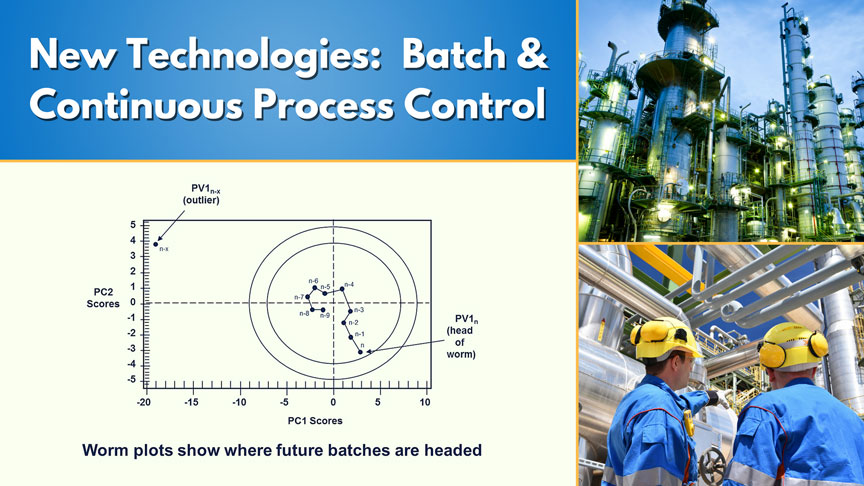
What are New Technologies and Approaches for Batch and Continuous Process Control?
For any type of analysis or prediction, whether using ANN or MSPC, you need to have inputs that show the variability in the process. -
 Feature
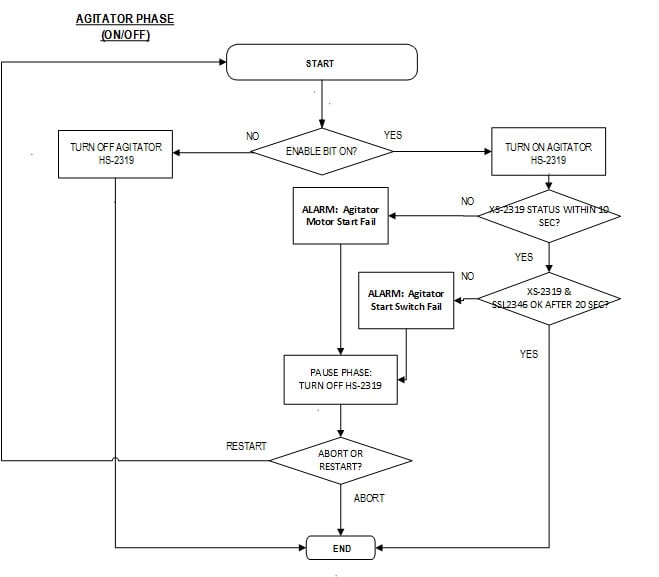
What Are Best Practices and Standards for Control Narratives?
When creating detailed control narratives for existing controls, use established standards and industry best practices. -
 Feature
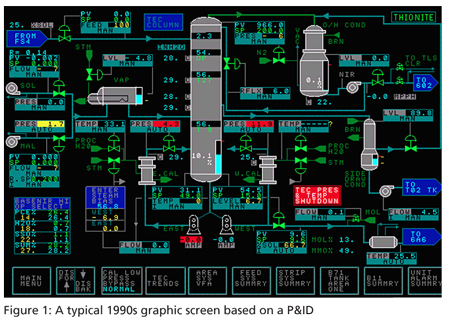
When and How to Use Derivative Action in a PID Controller
The least frequently used mode in a PID controller, derivative is more useful when dead time is not pure dead time but is a series of small time constants. -
 Feature
How to Manage Pipeline Valve Positioner and PID Tuning
In general use the highest valve positioner gain that does not cause oscillation. For pipeline flow and pressure control, oscillations are not filtered. -
 Feature
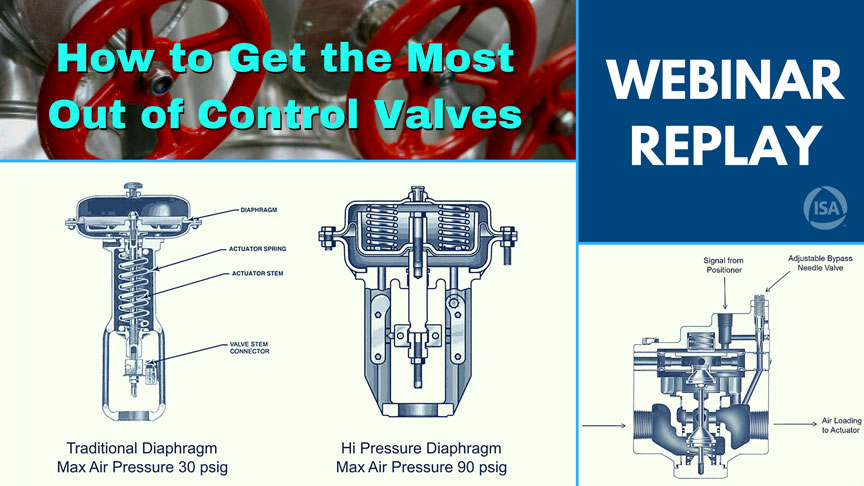
Webinar Recording: How to Get the Most Out of Control Valves
The data that is really needed when selecting and sizing a control valve is rarely understood and specified. -
 Feature
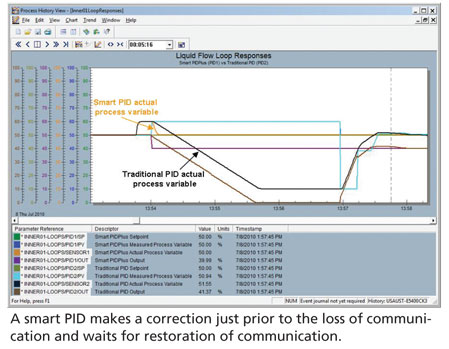
How to Overcome Challenges of PID Control and Analyzer Applications via Wireless Measurements
An enhanced PID controller simplifies tuning and improves loop stability and reliability for loops dominated by discontinuous measurement updates. -
 Feature
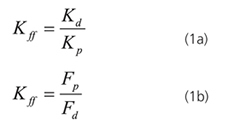
Feedforward Control Enables Flexible, Sustainable Manufacturing
Feedforward provides preemptive corrective action for production rate and grade changes enabling key PID controllers to provide consistent product quality. -
 Feature
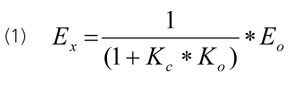
PID Controller Tuning Rules
Safety, equipment and environmental protection, process efficiency and capacity, product quality, and control system maintenance depend on PID tuning. -
 Feature
What Are Best Cutover Strategies for Upgrading an Industrial Plant?
When retrofitting an industrial plant, review budget, schedule, financial justification for the project, as well as all areas of concern such as shutdown. -
 Feature
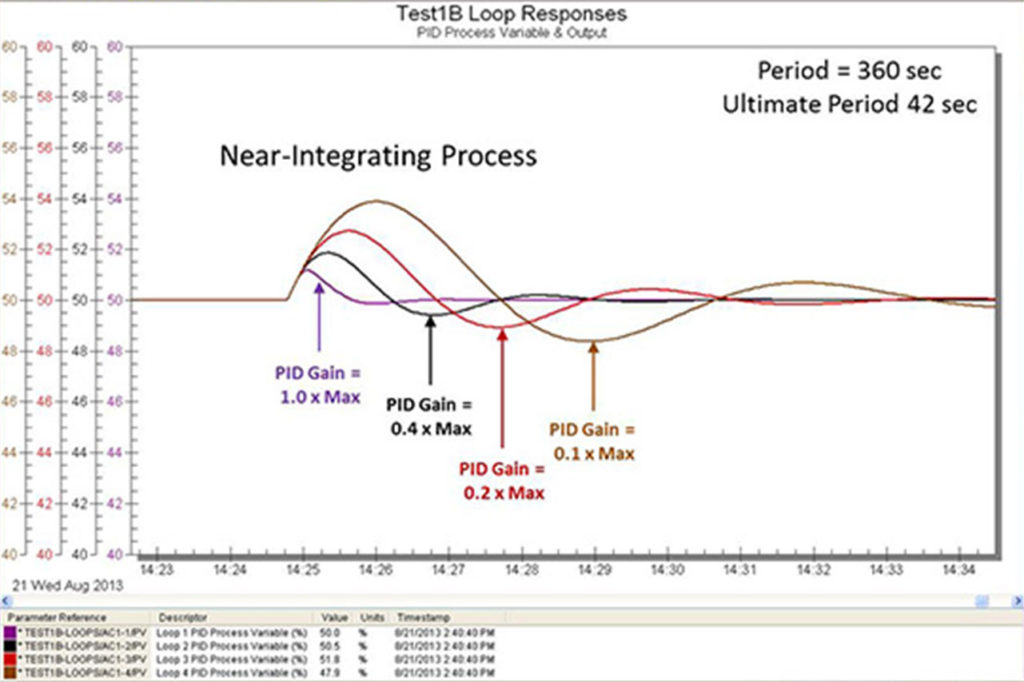
How to Avoid Common Tuning Mistakes With PID Controllers
The success of advanced control depends on the basic control system foundation. The PID controller is the common key component of all control loops. -
 Feature
The Good, Bad, and Ugly of Thermal Mass Flowmeters
Thermal mass flowmeters can be a relatively inexpensive flowmeter that can handle extremely small and large flows -
Feature
PID Tuning for Near and True Integrating Processes
The most important loops on vessels and columns typically have a near or true integrating response. -
 Feature
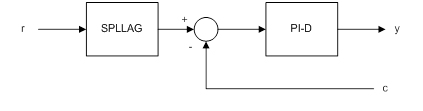
What are the Equivalent Methods to Eliminate Proportional Step and Derivative Kick?
There are several methods for eliminating or controlling the proportional step and derivative kick in a PID output resulting from a change of setpoint. -
 Feature
What Is the Definition of PID Bumpless Transfer?
Bumpless transfer and how a new operating point can be achieved quickly and smoothly after the PID is switched to automatic mode. -
Feature
How Do You Measure Control System Performance?
Seek a suite of practical metrics in terms of key performance indicators that can have an impact on plant control system performance. -
 Feature
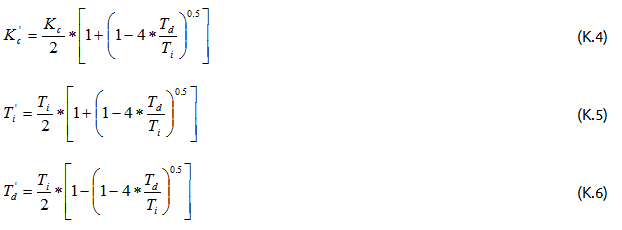
How Do You Convert Tuning Settings of an Independent PID?
Considerable confusion exists on how the PID Form affects tuning settings. Lack of understanding of Form & units of settings can lead to disastrous results. -
 Feature
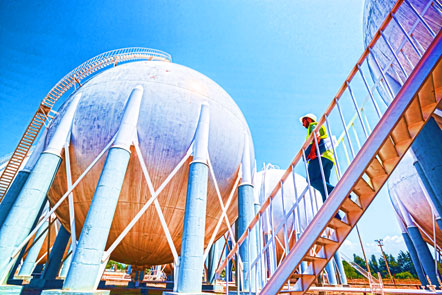
How to Better Understand Integrating and Runaway Process Dynamics
Technical discussion on how to improve industrial automation operations by understanding integrating and runaway process dynamics -
 Feature
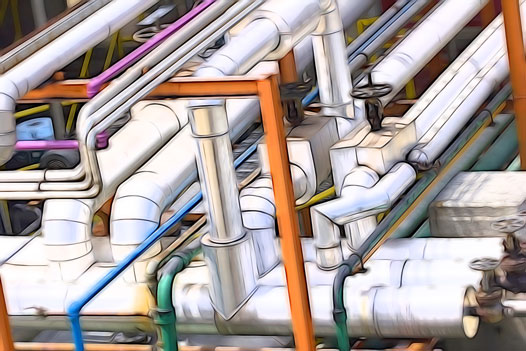
Better Process Control by Understanding Self-Regulating Process Dynamics
The three types of processes in the automation industry are self-regulating, integrating, and runaway. -
 Feature
Benefits of Good Tuning: Increased Production and Profitability, Reduced Variability
For control loop tuning, the first settings that must be right are the controller and valve actions. If these actions are not right, nothing else matters. -
 Feature
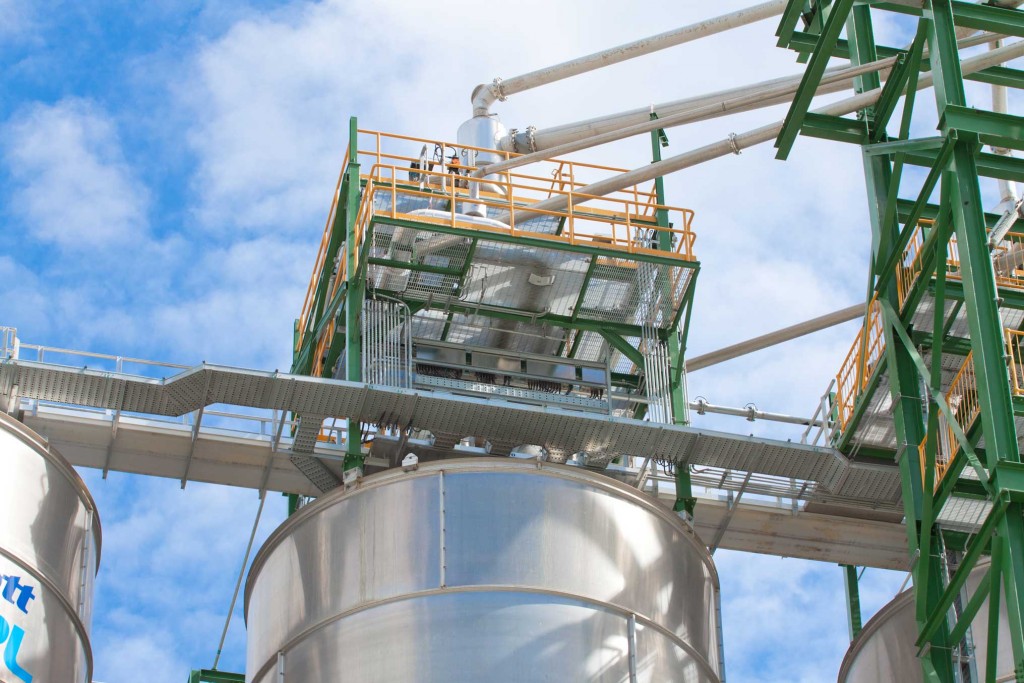
How to Achieve Tight Process Recirculation Temperature Control
How to eliminate oscillations associated with the discontinuity and changes in phase between heating and cooling and make the response of the secondary temperature loop faster. -
 Feature
How to Make Transitions Between Cooling and Heating Smooth and Fast
How eliminate oscillations associated with the discontinuity and changes in phase between heating and cooling and make the response of the secondary temperature loop faster. -
 Feature
How to Optimize Cascade Control Systems in Vessel Heating and Cooling
How to make sure the cascade control system is intelligently designed to meet process requirements in terms of vessel and heat transfer surface temperatures -
 Feature
What are the Critical Aspects of Jacket and Coil Design in Vessel Heating and Cooling?
Critical aspects of the design of the jacket and coil in vessel heating and cooling. -
 Feature
Simple Strategies for Maximizing Biopharmaceutical Product Quality
Use of key PID features, tuning objectives and feedforward control can meet the stringent requirements for biopharmaceutical production. -
 Feature
Simple Strategies for Optimizing Ethanol Plants
PID controllers for front-end production rate, slurry concentration & average fermentation time can decrease costs and increase production rates for ethanol plants. -
 Feature
Optimizing Multiphase Reactors with a Single Phase Product
Multiphase reactors offer an inherent ability to optimize excess reactant concentration by the proper use of a simple pressure or temperature control loop. -
 Feature
Getting the Most Out of Fluidized Bed Reactors
The fast kinetics and composition response of a fluidized bed reactor enable the direct manipulation of reactant feed rate by temperature control to inherently maximize production rate to the coolant -
 Feature
Maximizing Production Rate of Single Phase Liquid Reactors
Control schemes for maximizing production rate in liquid reactors -
 Feature
Achieving Tight Control of Single Phase Liquid Reactors
How to set up control loops for liquid reactors to achieve their full potential. -
 Feature
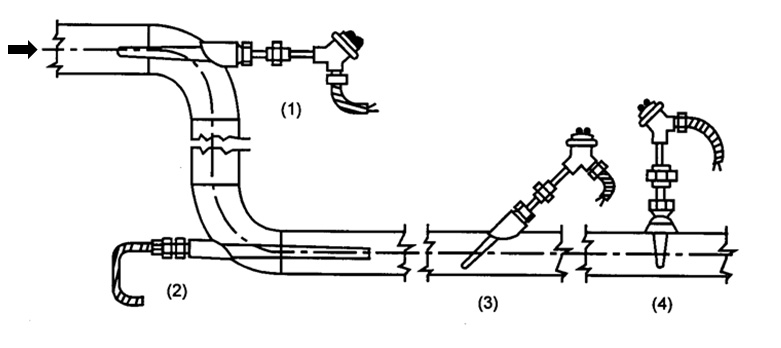
Temperature Sensor Installation for Best Response and Accuracy
Best practices to get the most out of the inherent capability of a temperature sensor. -
 Feature
Temperature Communication for Best Accuracy and Reliability, and Least Noise
How the advent of smart transmitters and wireless communication has opened the door to better temperature communication & process performance improvements. -
 Feature
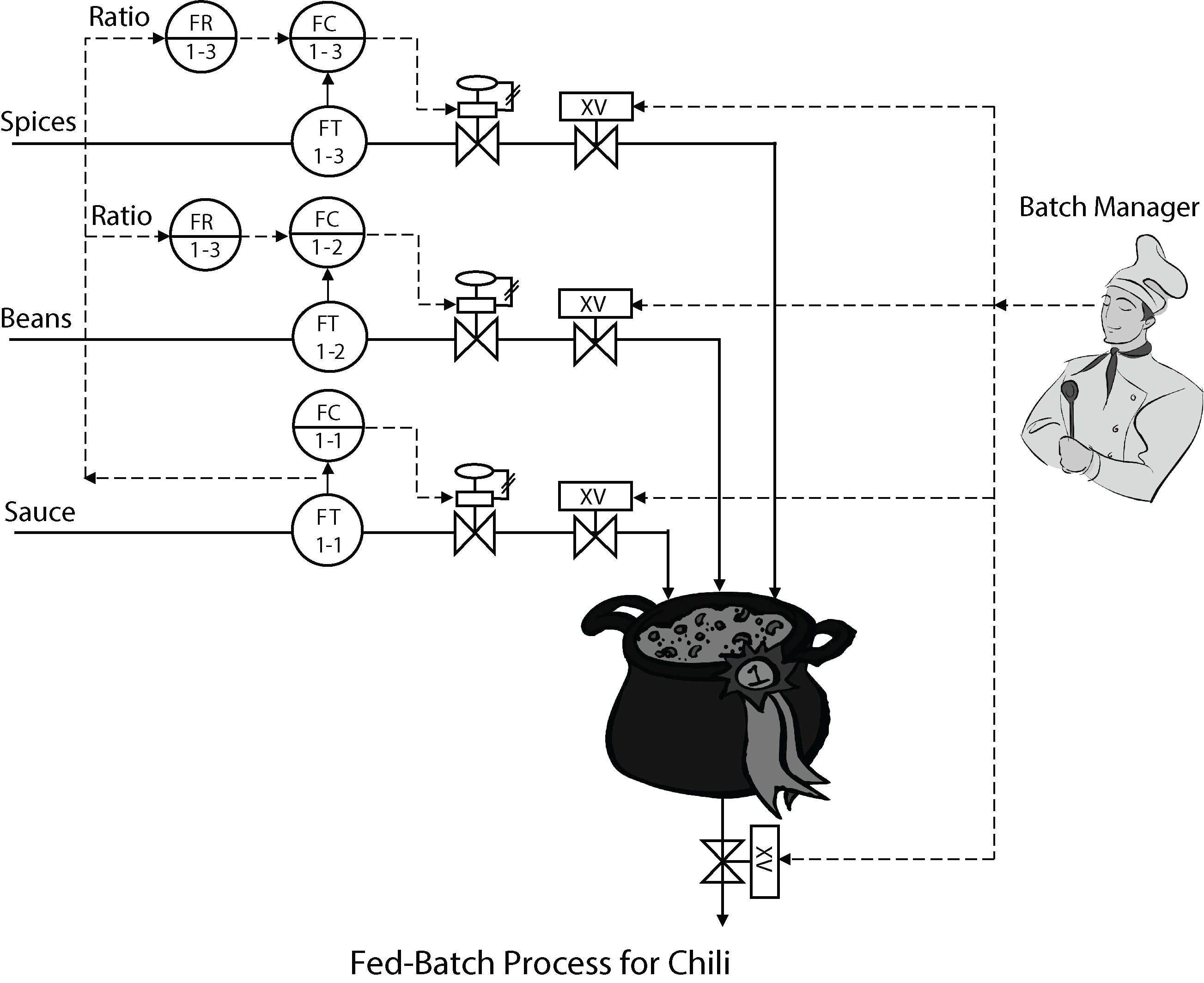
What are the Inherent Differences in the Performance of Pure Batch, Fed-Batch and Continuous Reactors?
A look at the differences between pure batch versus fed-batch versus continuous reactors. -
 Feature
An Overview of the Control Loops for Batch, Fed-Batch and Continuous Reactors
A look at how many of the loops can be the same and how all reactors benefit from a more extensive application of feedback control. -
 Feature
What are the Implications of Industrial Reactor Type on Control?
The effect of reactor type on dynamic response, allowable measurement lags and delays, controller tuning, and control strategies is significant. -
 Feature
How to Obtain Concentration Measurements from Common Inline Sensors
To control the concentration of key components, relatively inexpensive inline measurements can be used under the right conditions to provide concentration measurements -
 Feature
Inferential Measurement of Cell and Crystal Growth Rate and Reaction Rate
Simple online inferential measurements of cell growth rate, crystal growth rate, and chemical reaction rate are possible using conventional online measurements of flow and temperature. -
 Feature
Automation Project and Startup Humor – How to Laugh Rather Than Fret
Automation Project and Startup Humor – How to Laugh Rather Than Fret -
 Feature
Have You Had a Good Automation Industry Laugh Today?
Humor can provide insights by opening the mind to the strange but true aspects of the industrial automation profession. Successful humor can cause a smile before you realize the full nature of the sit -
 Feature
How to Select the Optimal Temperature Sensor for Industrial Applications
How to Select the Optimal Temperature Sensor for Industrial Applications -
 Feature
Top 10 Mistakes Made Every Day in pH System Design
In pH control systems reagent piping and injection must minimize transportation delays, volumes must have proper geometry and agitation to maximize the process time constant that filters pH oscillatio -
 Feature
What are the Essentials of pH in Industrial Applications?
What are the Essentials of pH in Industrial Applications? -
Feature
Continuous Improvement in an Automation Career Requires Continuous Solicitation of Feedback
An individual should never stop learning and improving. You cannot improve unless you know what you are doing wrong. -
 Feature
How to Use Plant-Wide Feedforward for More Flexible and Efficient Production
The use of plant-wide feedforward control can move a plant quickly and smoothly for more flexible and efficient manufacturing. -
 Feature
Why You Should Scrutinize Technical Articles for Bias
If an article is written by the sales and marketing department, be on the lookout for a biased view of a product or service. -
 Feature
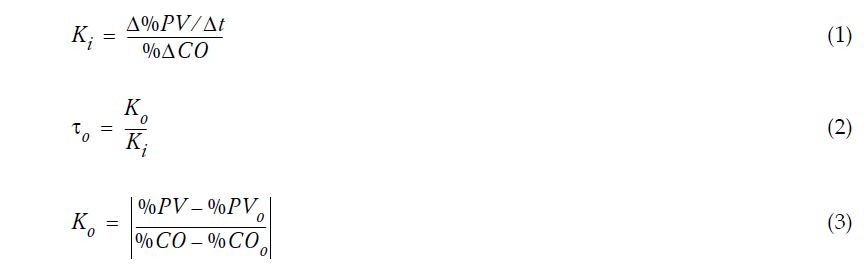
What are the Benefits of Identifying Deadtime and Ramp Rate?
The identification of deadtime and ramp rate can provide tuning, rapid modeling, and future values for smart reset, feedforward, and setpoint responses. -
Feature
High Pay Is Not Reason Enough to Stay in a Bad Industrial Automation Job
When interviewing for a position, interview your perspective boss as hard as he (or she) is interviewing you. -
Feature
How to Smooth the Transition Between Batch and Continuous Operations
The unbalance between continuous operation flow & instantaneous batch flow can be spread over available inventory by an adapted rate limited feedforward. -
 Feature
Why References Are Just the First Step in an Industrial Employee or Control Systems Evaluation
Treat references as a first step toward engaging a wider group who can provide a more realistic picture of the person or product or company being evaluated.