



©2026 Automation.com, a subsidiary of the International Society of Automation.
-

 ISA provides technical resources and standards to help industrial automation professionals advance their careers and the field. We enable automation professionals worldwide to solve problems and enhance their skills by bringing people together to create new technologies and share best practices with future automation professionals.
-
ISA Resources
-
Upcoming Events
-
Industry Insights
-
Consortia
-

Author Profile

Gregory K. McMillan
271 Results Found
-
Feature
How to Determine the Health of an Industrial pH Glass Electrode
The sensor response time is a sensitive indicator of the effects of coatings and aging on glass pH electrodes. -
 Feature
Why You Should Establish a High Level of Trust with Your Automation Co-Workers
Do not lie, and do not tell people “what they want to hear” just to avoid conflict. -
Feature
How to Use an Adjustable Flow Ratio and Feedforward Summer to Optimize Flow Measurement
Set up a ratio station, feedforward summer, and cascade control system for maximum flexibility and visibility to address start-up and abnormal conditions. -
Feature
How to Build Communications Skills as an Engineer
Engineers are not naturally adept at writing and/or presentations. Good writing and presentation skills take training and practice. -
Feature
How to Use External-Reset Feedback for Cascade Control
Use external-reset feedback to prevent oscillations for a slow secondary loop or final control element; meet process objectives with setpoint rate limits, -
Feature
Consider Intangible Costs When Calculating an Industrial Project
When calculating the cost of a project, a decision, or some other activity, do not fail to consider the intangible costs. -
 Feature
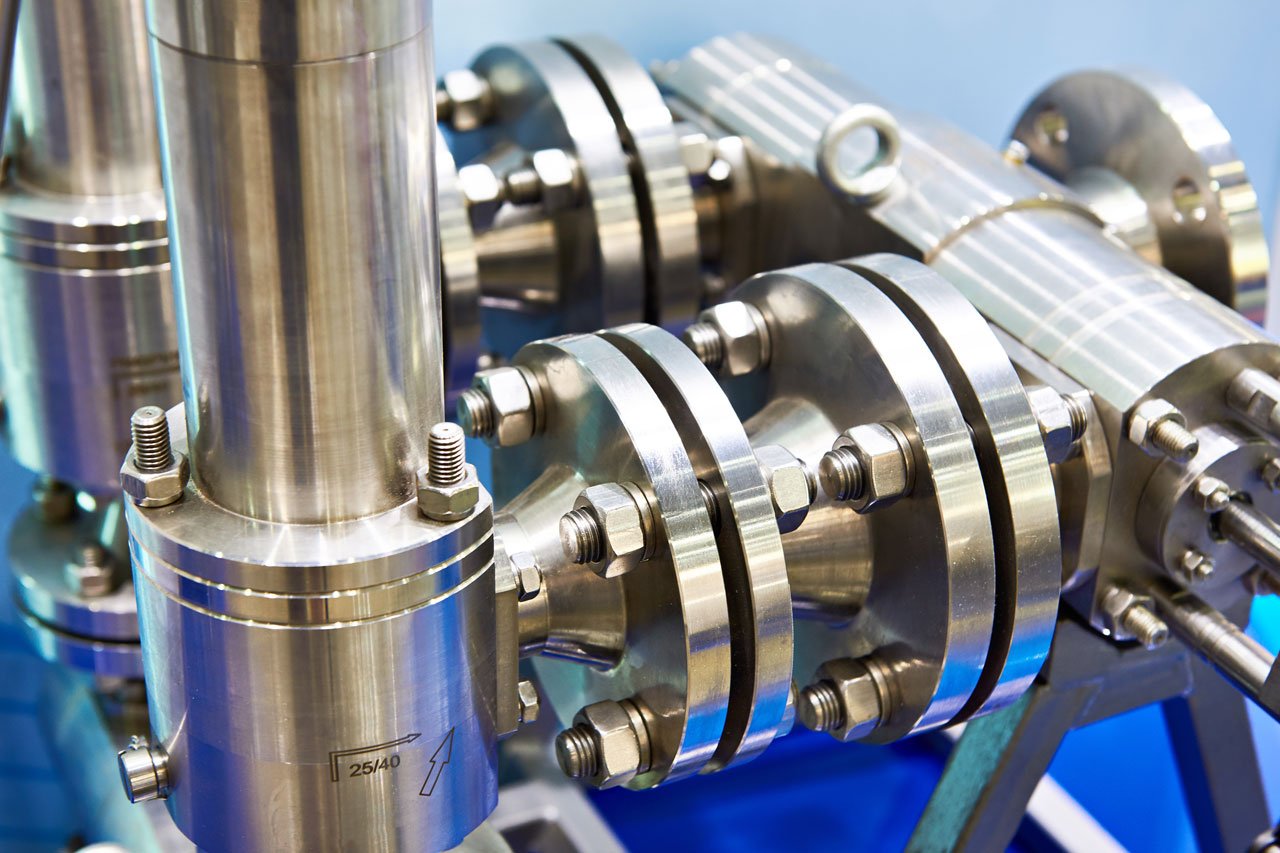
Use Signal Characterization in the DCS to Linearize the Installed Flow Characteristic of a Valve
Signal characterization in a DCS can solve problems resulting from signal characterization in the valve positioner. -
 Feature
Why You Should Avoid Scripted Control System Demonstrations
Do not let the integrator take the system through a scripted test sequence to prove its functionality. -
Feature
How to Use Valve Position Control to Optimize Process Efficiency and Capacity
Valve position control can be implemented in a matter of hours to start optimizing the efficiency or capacity of a unit operation. -
 Feature
Treat Every Industrial Automation Professional with Respect
Set a precedent of mutual respect and professionalism from the very beginning. Once the precedent for a relationship has been set, it is difficult to change. -
 Feature
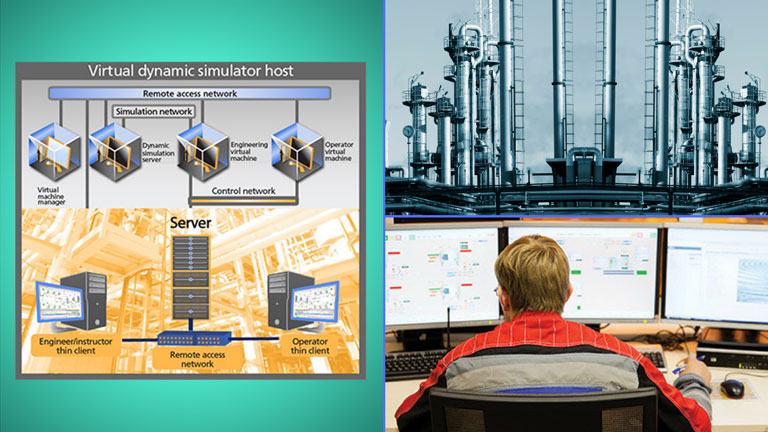
How to Achieve Process Simulation Fidelity
Use tieback models, modeling objects and online adaptation of dynamics and parameters to achieve the fidelity needed for simulation applications. -
 Feature
Why Engineers Should Foster Relationships with Vendors
An engineer is as dependent on the vendors as they are dependent upon the engineer. -
Feature
How to Determine the Health of an Industrial pH Reference Electrode
Use a smart transmitter & smart electrodes and do standardization and/or periodic buffer calibrations based on electrode life expectancy. -
 Feature
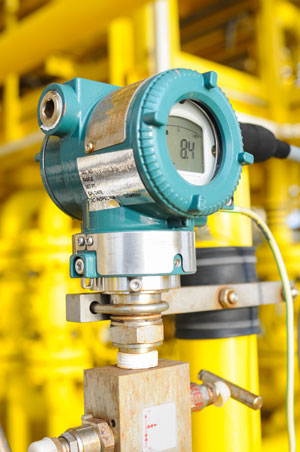
Why Is Instrumentation Critical for the Automation Professional?
A detailed understanding of instrumentation is critical for any automation professional. -
 Feature
What Are the Benefits of Linear Reagent Demand Control in Managing pH?
For managing pH, use linear reagent demand control when going from a flatter part to a steeper part of a titration curve for tighter control and less wear and tear on the valves and the operators. -
 Feature
Why You Should Teach and Grow the Next Generation of Engineering Talent
Developing direct reports is a fundamental duty of the leader position. Teach and grow the next generation of engineering talent. -
 Feature
Use Middle Signal Selection to Improve pH Measurement Reliability
Take three measurements for pH and for any other measurement that can be a probable cause of loss in process efficiency or capacity. -
 Feature
The Benefit of Outlines and Flow Charts for Industrial Project Development
Always take the time to map out a cohesive structure before starting any creative endeavor. -
Feature
How to Use Output Tracking to Improve Setpoint and Abnormal Condition Response
Use output tracking to get the loop consistently started for the best setpoint response and recovery from an abnormal condition. -
 Feature
The Balance Between Risk Avoidance and Need for Change in Process Automation
Automation professionals are trained to avoid risk. However, that is not a reason to avoid making changes. -
Feature
How to Optimize Batch End Points and Cycle Times
Use a feed analysis of predicted yield to create a production rate controller & use a batch profile slope for optimization of batch end point & cycle time. -
 Feature
Never Underestimate the Power of Politics and Emotion in an Industrial Automation Career
In an industrial career, you can eliminate conflict by simply avoiding discussing topics which are certain to create conflict in the first place. -
 Feature
What are the Benefits of Computing and Trending a Future Process Control Variable?
A future PV value can make setpoint response, reset & feedforward smarter and help operations understand consequences of the dynamics on current actions. -
 Feature
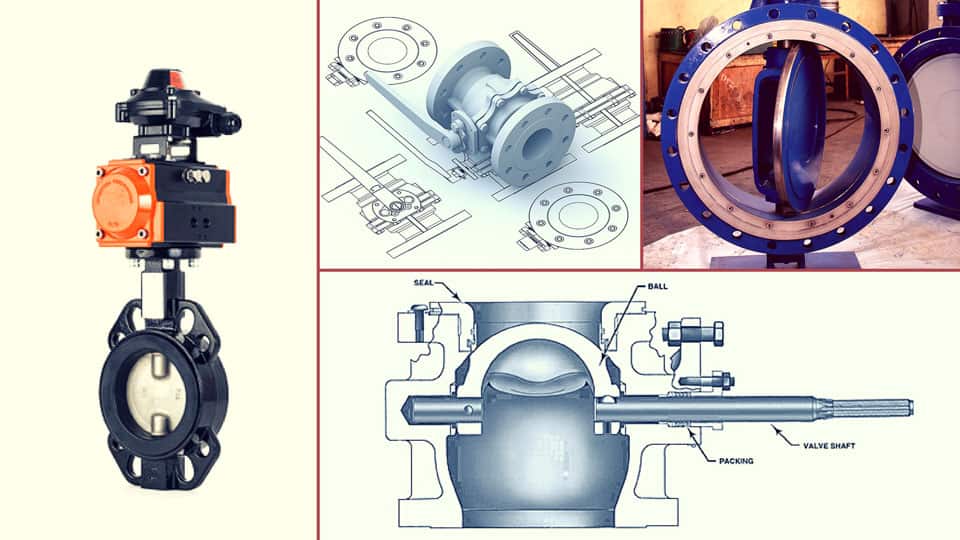
Butterfly and Ball Valves with Positioners Are Not Control Valves
Premature valve failure results from seat erosion under low flow/high pressure drop conditions or when the valve is cavitating or flashing. -
Feature
How to Make Reset Time and Feedforward Action Smarter
Smart reset can reduce overshoot and faltering, and smart feedforward can provide a more complete and accurate feedforward action. -
 Feature
Automation Industry Career Tip: Admit Your Errors
In an automation career, you will be amazed how a quick admission of error can defuse a potentially bad scene. -
 Feature
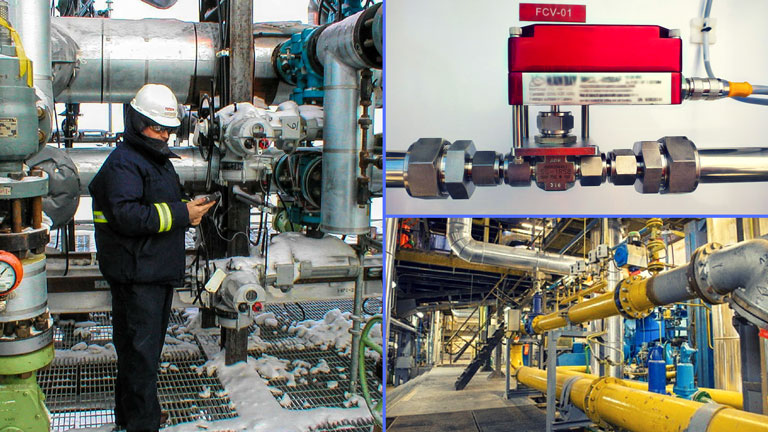
How to Select the Best Type and Size of Actuator for Tight Control
Where possible, use a diaphragm actuator sized to meet at least 150% of the maximum thrust or torque requirement. -
Feature
How to Build a Successful Project Team in the Automation Industry
Pick your team members wisely, lead by example, and always convey the highest expectations of performance. Your team will deliver. -
Feature
Benefits of Using Sliding Stem Valves for Tighter Process Control
Use a sliding stem valve with diaphragm actuator and digital positioner whenever size and process conditions permit. -
Feature
High Pay Is Great but Life Is Too Short to Stay in an Engineering Job You Dislike
A good paycheck is nice, but if you find yourself dreading the return to work each morning it may be time to consider job options elsewhere. -
Feature
Why You Should Decrease PID Gain and Reset Time for Pipeline and Inline Control
Pipeline and inline control loops have no back mixing and hence no process time constant in the response of the outlet to changes in the inlet. -
 Feature
Why You Should Test Every Communication Network Before DCS Start-up
Find a way to test any communication network prior to installation. About a week before every major DCS start-up, consider performing a “network startup.” -
 Feature
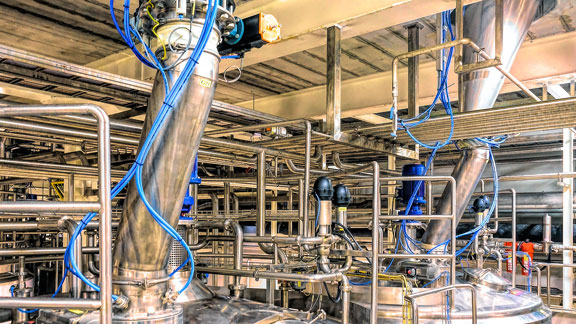
Benefits of Increasing PID Gain and Reset Time for Vessels and Columns
Temperature loops on mixed volumes, gas pressure loops, and level loops need much larger than expected controller gains and reset times. -
Feature
How to Reduce Development Time and Industrial Project Risk by Testing and Proving New Code
If a piece of code is to be replicated many times, always have two different people independently test it whenever possible. -
Feature
First Principles for a Deeper Understanding of Industrial Automation
Conceptual knowledge should be sought to see the commonality in seemingly different industrial application requirements. -
 Feature
Why You Should Insist on Documented Code for Every New Process Industry Project
Add comments through the software during programming. People will be very glad that you did. -
 Feature
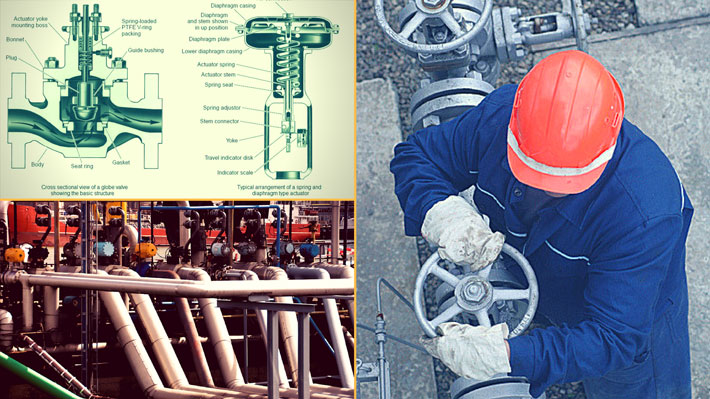
The Importance of Using Tuned Positioners on All Control Valves
Readback control of valve position compensates for a host of unknowns in connection with valve response but a positioner, like a controller, must be tuned. -
 Feature
If You Have to Tell Everyone How Smart You Are, You Probably Aren’t
If a person is extremely intelligent, it will be obvious to everyone after a casual conversation. -
 Feature
Why Automation Professionals Should Write and Present Technical Papers
As an engineer, your publications are as important for recognition of your expertise as publications of a supplier for recognition of a product’s capability. -
 Feature
A College Degree May Not Be a Reliable Indicator of an Engineer's Level of Knowledge
You must earn respect, and show respect to others. An engineering degree (or lack thereof) is a poor indicator of an individual’s knowledge level. -
 Feature
Why You Should Document the Benefits of Process Control Improvements
Capture and report trends of key process variables and metrics immediately before and after process control improvements. -
 Feature
Automation Industry Career Tip: Appearance Matters
From the clothes you wear, to the labels on a panel, to the layout and fonts on a graphic, to the look of your signature – appearance matters. There is a tremendous amount of wisdom in the expression, -
Feature
How to Advance Your Career in Industrial Automation
Making yourself marketable in the automation industry takes initiative, but it is beneficial to you and the company. -
 Feature
Industrial Career Advice: Pain Is Instructive
One of the more frustrating problems is the kind that can only be fixed by someone else. Find a way to have that person feel the same frustration as you. -
 Feature
The Best Process Control Technical Resources May Be Out of Print
The Best Process Control Technical Resources May Be Out of Print -
 Feature
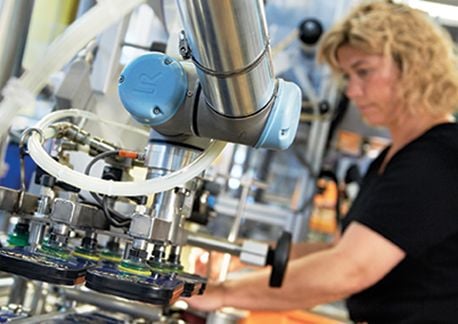
Why Successful Automation Engineers Are Detail-Oriented
Engineering is by definition a detail-oriented profession, but the field of automation requires almost fanatical attention to detail. -
 Feature
The Benefits of Listening Skills for an Industrial Career
The knowledge of individuals can be openly shared environment at an industrial plant or facility is inquisitive and friendly and egos take a back seat. -
Feature
Benefits of Individually Fusing I/O with Indicating Fuse Blocks
The increased cost of using individual fuses will be quickly recovered by the reduced time to troubleshoot and resolve field wiring problems. One or two instances of bringing production back on line w -
Feature
Free Download: Checklists to Manage Instrumentation and Manufacturing Technology
Information needed to take advantage of the best industrial technology and address all of the considerations of an application is often difficult to find. -
 Feature
The Value of Messaging in Industrial Control Systems
If the information is detailed & useful, an operator will be able to run a control system much more independently & resolve problems without outside help. -
 Feature
Use Wireless Transmitters for Diagnostics, Improvements, and Metrics
Wireless transmitters can rapidly prototype, demonstrate, analyze and justify installations of online diagnostics, metrics and improvements. -
 Feature
Too Many Alarms in an Industrial Plant Can Be Worse Than None at All
Alarm management is a never ending effort. Routinely review the plant’s alarm list, and try to eliminate or address points that appear too often. -
 Feature
How to Select the Best Control Valve Location
Locate control valves to be maintainable, provide fast injection into mixing zones, and prevent flashing and cavitation. -
 Feature
The Benefits of Teamwork for a Industrial Project Start-up or Plant Outage
Take the time (and spend the money) to show appreciation to the crews on an industrial project start-up or during a major production outage. -
Feature
How Optimal Measurement Location Maximizes Sensor Sensitivity and Signal-To-Noise Ratio
The best measurement location maximizes the sensor sensitivity and maximizes the signal-to-noise ratio and minimizes deadtime. -
Feature
How to Be Successful as an Industrial Automation Manager
The successful industrial manager has to have the skill and desire to manage clients, motivate and develop others, provide technical direction, ensure quality, keep the schedule, watch the budget, mit -
 Feature
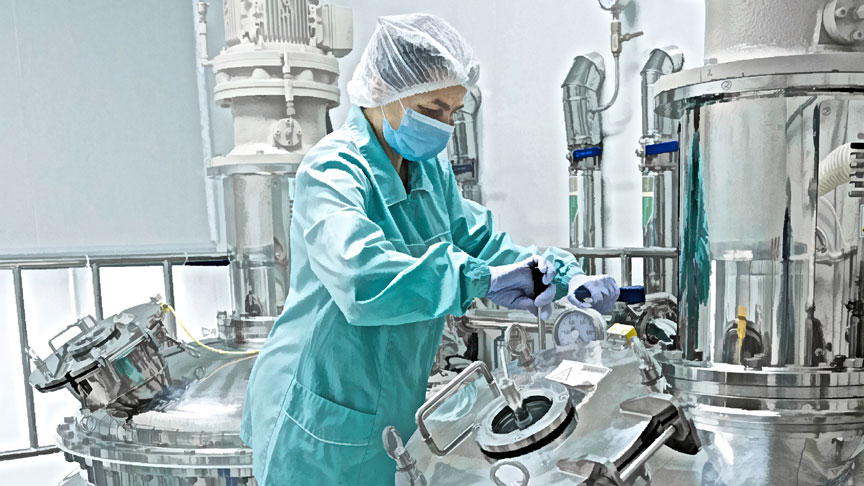
Use Field Analyzers to Measure Key Component Concentrations
Field analyzers enable a higher level of control, such as model predictive control, to improve product quality and process efficiency and capacity. -
Feature
Industrial Tip: Project Management Is Really Risk Management
As a project manager, continuously monitor everything for signs of problems and immediately inquire if something seems amiss. -
 Feature
Why You Should Use the Best Automation Technology, Even if the Price Tag Is Higher
Do not go with cheaper instrumentation unless you are certain the impact on maintenance and process performance is (and will continue to be) negligible. -
 Feature
Why New Engineers Should Get Plant Experience Early
When searching for a job, seek out plants that have at least one seasoned engineer under whom you can work. -
Feature
How to Achieve Greater Manufacturing Efficiency With Online Process Metrics
Add flow measurements to every important stream and compute online metrics for the process efficiency and capacity of each key unit operation. -
 Feature
Why Industrial Engineers Should Learn to Estimate Jobs
Estimate each process industry job before starting it and always follow up and compare the final cost figures against the initial estimate. -
 Feature
How to Use Simulation and Virtual Plants for Process Improvement
First principle models & experimental models in a virtual plant offer powerful tools for process control improvement and an operator training system. -
Feature
Always Design in Spare Capacity to Allow for Industrial Plant Expansion
A common rule of thumb for most systems is to add at least 25 percent spare capacity to the original design. -
Feature
How to Improve Setpoints in Industrial Processes
Setpoints in industrial automation and manufacturing processes can be improved by achieving a higher level of control and knowledge. -
Feature
Murphy's Law Is Alive and Well in Industrial Processes
Automation engineers love to create complex solutions. But try not to complicate a solution any more than necessary. -
 Feature
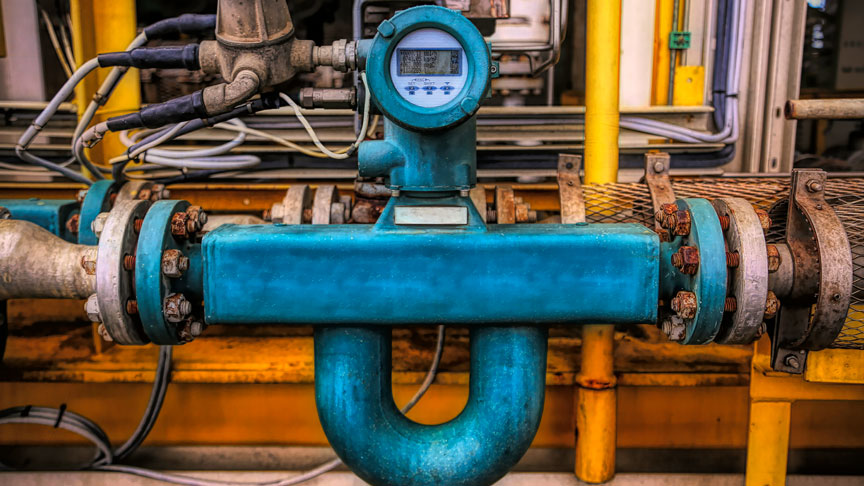
How to Use a Coriolis Meter for Mass Flow and Concentration Control
Coriolis meters can be used for measuring liquid flows in batch, fed-batch and continuous operations. -
 Feature
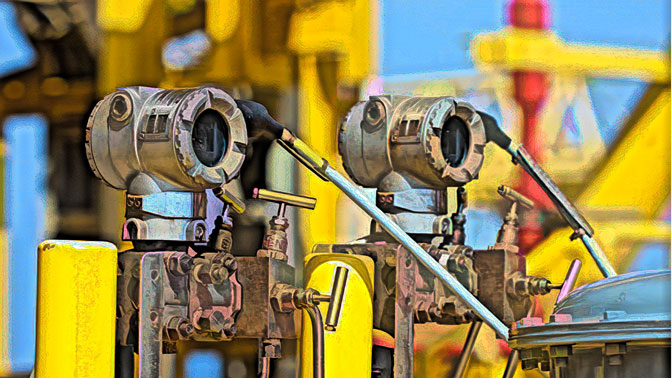
Benefits and Shortcomings of Vortex Flowmeters
Vortex flowmeters are a good choice for measuring the flow rate of any reasonably clean fluid where measurement at very low flows is not required. -
 Feature
How Equipment and Operating Conditions Affect Process Dynamics
Simple material and energy balances can be developed to understand the effects of equipment design and operating conditions on process dynamics. -
Feature
What are the Strengths and Weaknesses of Differential Pressure Flow Devices?
Each type of differential pressure flowmeter has a variety of pros and cons but the sheer number of types provides many options to the engineer -
Feature
Why a Virtual Plant Is Crucial for Process Control Improvement
A virtual plant provides uses the actual plant’s control system & operator interface crucial for training and all levels of process control improvement. -
 Feature
The Benefits of Learning the Industrial Codes
Try to learn at least one relevant industrial code or one code section each year and seek to apply that knowledge often so that it is not lost. -
 Feature
How to Use High Rangeability Flowmeters and Valves to Increase Plant Turndown
To increase plant turndown, use control valves and flow measurements with the best low flow response and precision. -
Feature
How to Specify a Capillary Seal Assembly
Be extremely careful to select knowledgeable technicians to install capillary seals. Many a pipefitter has pulled them out of the box and bolted them up without the proper gaskets and spacers. If this -
Feature
How to Maximize Loop Coordination and Optimization
Employ setpoint filters, velocity limits and external-reset feedback to meet the process control objectives at your plant or facility.