



©2026 Automation.com, a subsidiary of the International Society of Automation.
-

 ISA provides technical resources and standards to help industrial automation professionals advance their careers and the field. We enable automation professionals worldwide to solve problems and enhance their skills by bringing people together to create new technologies and share best practices with future automation professionals.
-
ISA Resources
-
Upcoming Events
-
Industry Insights
-
Consortia
-

Articles and News
33,443 Results Found
-
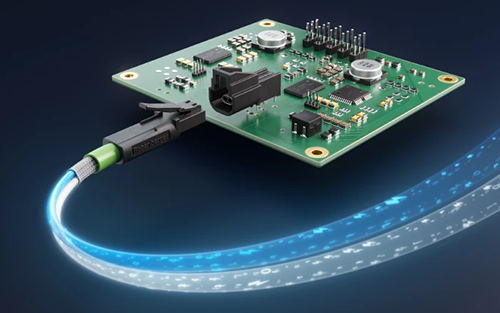
Unified Single Pair Ethernet Connector Standard Approved by PROFIBUS User Organization
The IEC 63171-7 ED2 standard, initiated by the PROFIBUS User Organization (PNO), defines a new connector face for future Single Pair Ethernet (SPE) connectors. -
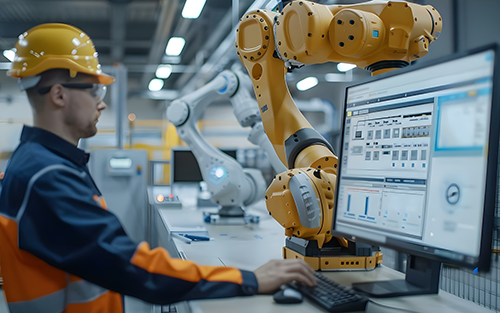
Choosing a Future-Ready HMI
The evolution of HMI/SCADA technologies demonstrates the need for advanced and scalable capabilities for applications of any size. -
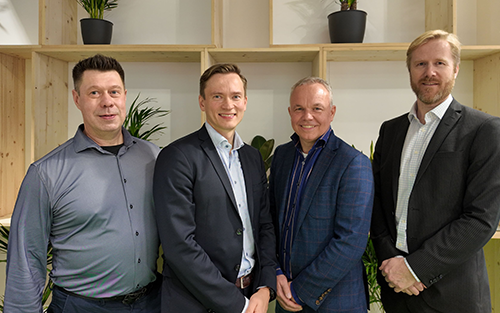
Siemens Joins Forces with Tietoevry to Further Digitalize Power Utility Sector in the Nordics
Siemens’ Gridscale X software platform will be utilized by Tietoevry to expand their IT service offering for power utilities. -

High-Tech Manufacturing: Transforming Chaos into Digital Delight (One Disruption at a Time)
To face the many changes in high-tech production and remain competitive, manufacturers need to turn to digital transformation more than ever. -

Study: Manufacturers at Risk of Falling Behind Due to Stalled Digital Transformation
Bright spots come from digital leaders building supply chain resilience with advanced scenario planning and lasting sustainability impact through circularity. -

Upskilling to Adapt to Industry 4.0
Industry 4.0 requires professionals to upskill and adapt to the changing demands of automation and digital transformation. -

ISA's Position Papers from 2024: Collect Them All
Let's take a moment to revisit the 2024 ISA position papers and how they contributed to the global conversation around automation. -
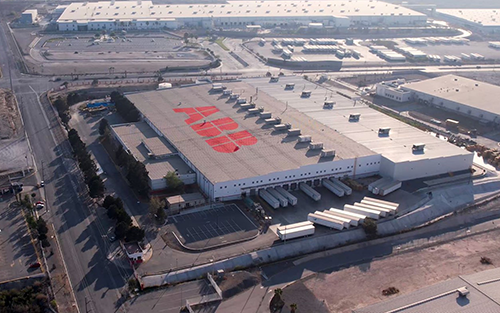
ABB Production Site in Saltillo, Mexico, Has Reduced Total Emissions by 80% in Two Years
The site re-uses more than 60% of water consumed and recycles 98% of waste generated. -
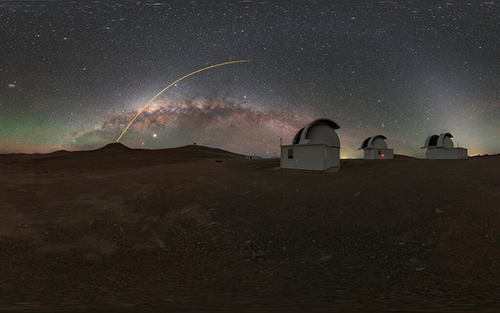
Telescope Leverages BitFlow Frame Grabber in Search for Life Supporting Atmospheres
The stated mission of SPECULOOS is to detect terrestrial exoplanets around nearby ultracool stars and brown dwarfs. -

The Future of Computer-Aided Design
AI will ultimately streamline and optimize design capabilities, but overcoming cross-disciplinary barriers is a necessary first step.