



©2026 Automation.com, a subsidiary of the International Society of Automation.
-

 ISA provides technical resources and standards to help industrial automation professionals advance their careers and the field. We enable automation professionals worldwide to solve problems and enhance their skills by bringing people together to create new technologies and share best practices with future automation professionals.
-
ISA Resources
-
Upcoming Events
-
Industry Insights
-
Consortia
-

Ask the Automation Pros
This long-running series of discussions, curated by 2010 ISA Life Achievement Award recipient Greg McMillan, gathers responses from ISA subject-matter experts on technical topics important to industrial automation professionals, academics and students.

169 Results Found
-
 Feature
9 Automation Engineers' Ideas and Principles for Everyday Working Life
Automation professionals from the ISA Mentor Program share their ideas and principles for everyday working life as an automation engineer. -
 Feature
What Are Some Ways to Improve and Prioritize Feedforward and Fast Feedback Control?
Automation professionals from the ISA Mentor Program answer a question about how to improve and prioritize feedforward and fast feedback control. -
 Feature
How Can We Develop and Motivate New Automation Professionals?
Automation professionals from the ISA Mentor Program address a question they received: 'How can we develop and motivate new automation professionals?' -
 Feature
Alarm Management and DCS Versus PLC/SCADA Systems
There are very few if any chemical or refinery units that would not benefit from state-based alarming. -
 Feature
How to Manage Control Valve Response Issues in the Field
A sensitive flow measurement is needed to identify the installed flow characteristic online. -
 Feature
How to Use Industrial Simulation to Increase Learning and Innovation
New projects expose automation professionals to more learning opportunities to continue to grow their skill sets and expertise. -
 Feature
How to Avoid Using Multivariable Flow Transmitters
Coriolis meters provide the only true mass flow measurements, which offer a very accurate density measurement as well. -
 Feature
Webinar Recording: Lessons Learned During the Migration to a New DCS
DCS migration topics: proper setting of tuning parameters, controller output scales, anti-reset windup limits, grounding, wiring, & configuration practices. -
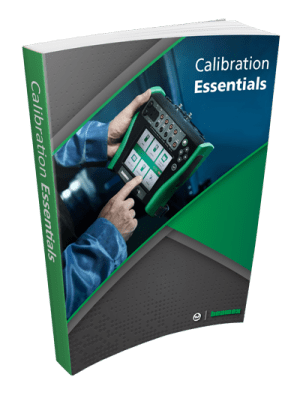 Feature
How Often Do Measurements Need to Be Calibrated?
The ISA recommended practice is not on the process of calibration but on a calibration management system -
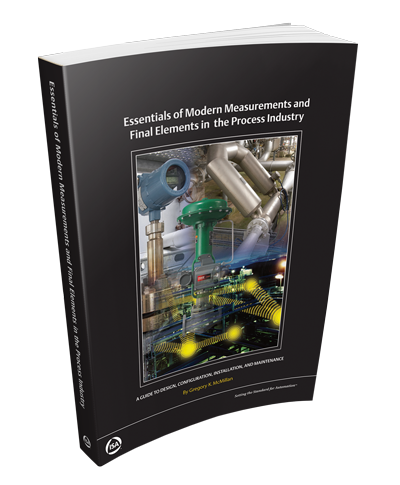 Feature
Basic Guidelines for Control Valve Selection and Sizing
Control valves often determine the capability of the control system. Poorly sized and selected control valves will make tight control impossible regardless of the control strategy or tuning employed. -
Feature
What Are the Opportunities for Nonlinear Control in Process Industry Applications?
MPC for batch operations can be achieved by translation of controlled variable from batch temperature or composition with a unidirectional response to the slope of the batch profile. -
Feature
How to Implement Effective Safety Instrumented Systems for Process Automation Applications
Systematic failures in industrial systems are best addressed through the implementation of a protective management system, which overlays a quality management system with a project development process -
Feature
Webinar Recording: The Amazing World of ISA Standards
ISA standards offer a wealth of knowledge and guidance to provide safer and more reliable and effective automation systems. -
 Feature
Webinar Recording: Simple Loop Tuning Methods and PID Features to Prevent Oscillations
Simple tuning methods and the PID features that can be used to prevent the oscillations that plague our most important loops. -
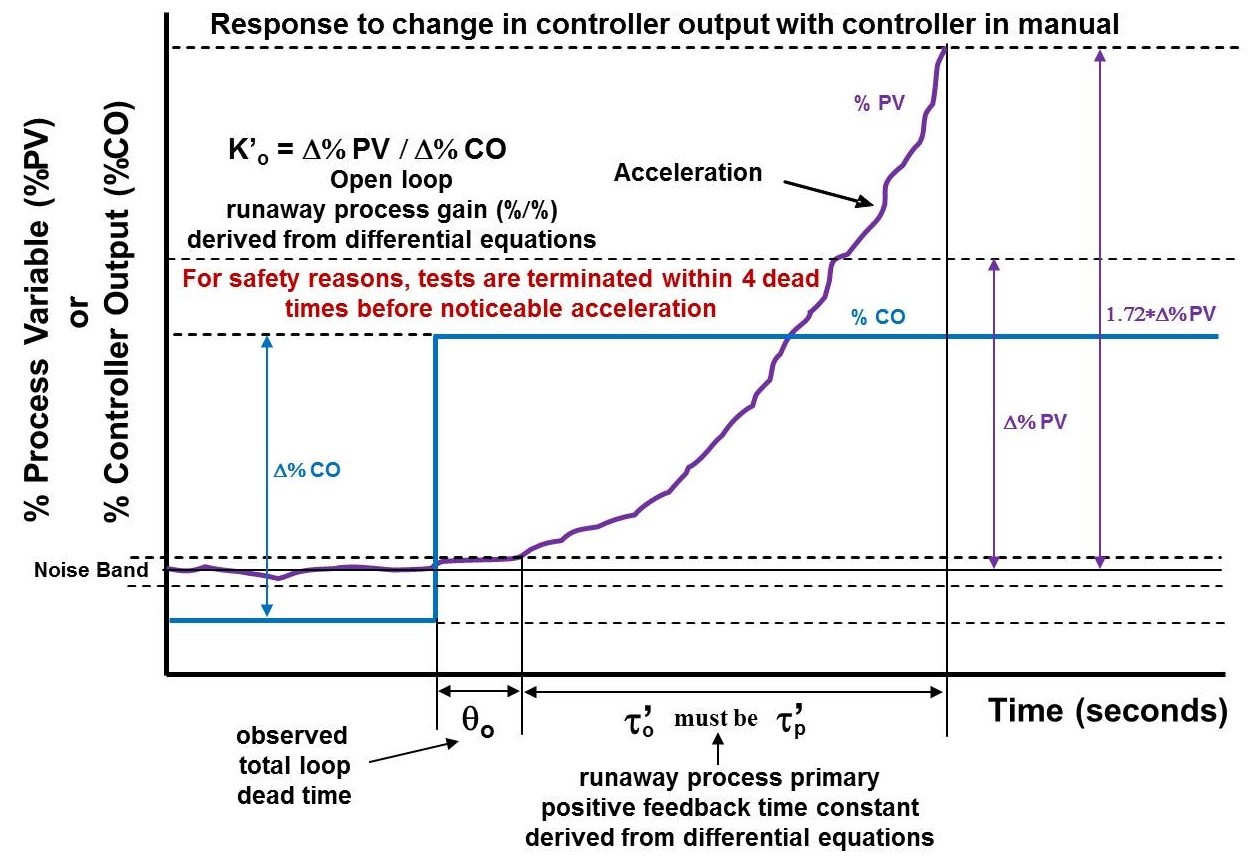 Feature
Solutions for Unstable Industrial Processes
Negative resistance also known as positive feedback can cause processes to jump, accelerate and oscillate confusing the control system and the operator. -
 Feature
What Skill Sets Do You Need to Excel at IIoT Applications in an Automation Industry Career?
The Industrial Internet of Things offers much greater availability of data to provide the knowledge needed to sustain and improve plant safety, reliability and performance. -
 Feature
Webinar Recording: Practical Limits to Control Loop Performance
Learn the contribution of each PID mode, why reset time is orders of magnitude too small for most composition and temperature loops, and other PID controller issues. -
 Feature
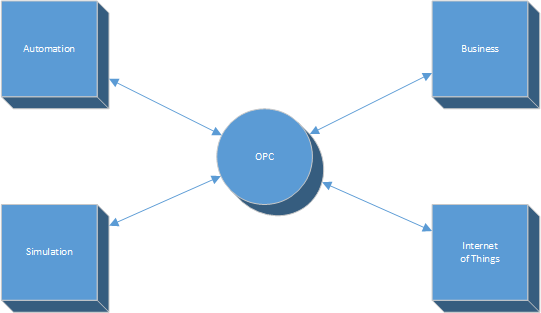
How to Get Started with Effective Use of OPC
OPC is a client/server protocol. The server has a list of data points (normally in a tree structure) that it provides. A client can connect to a server and pick a set of data points it wishes to use. -
 Feature
Webinar Recording: PID and Loop Tuning Options and Solutions for Industrial Applications
Learn the benefits of knowing your process and PID capability, with a focus on process behavior, loop objectives and different industrial applications. -
 Feature
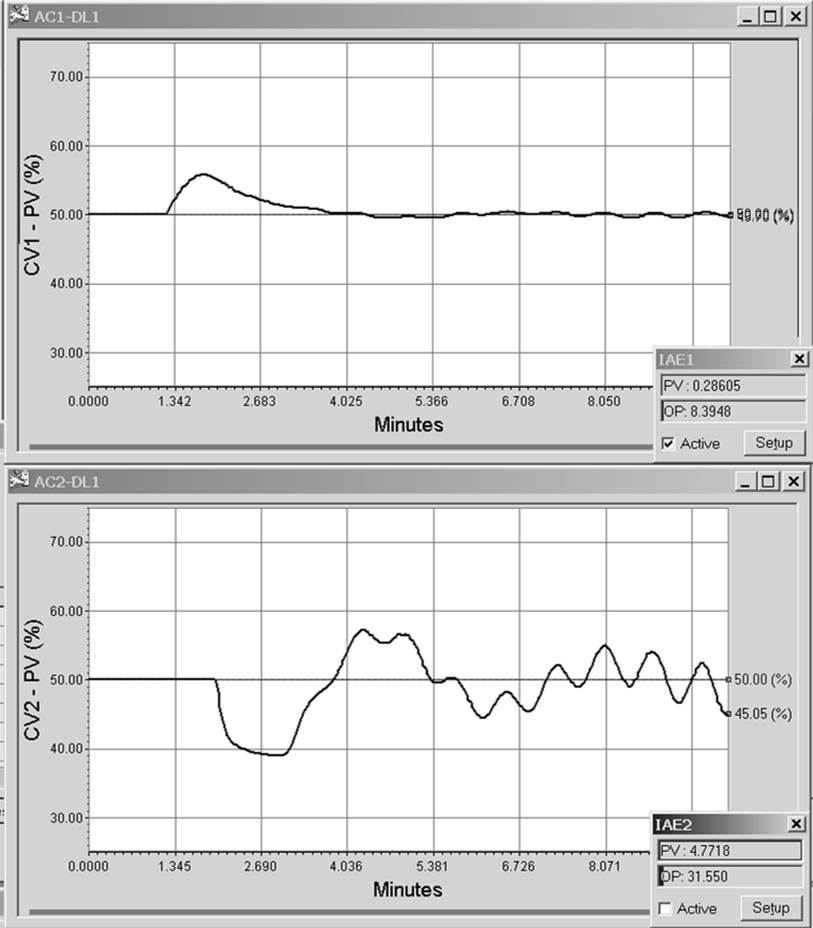
How to Improve Loop Performance for Dead Time Dominant Systems
Dead time is the source of the ultimate limit to control loop performance. -
 Feature
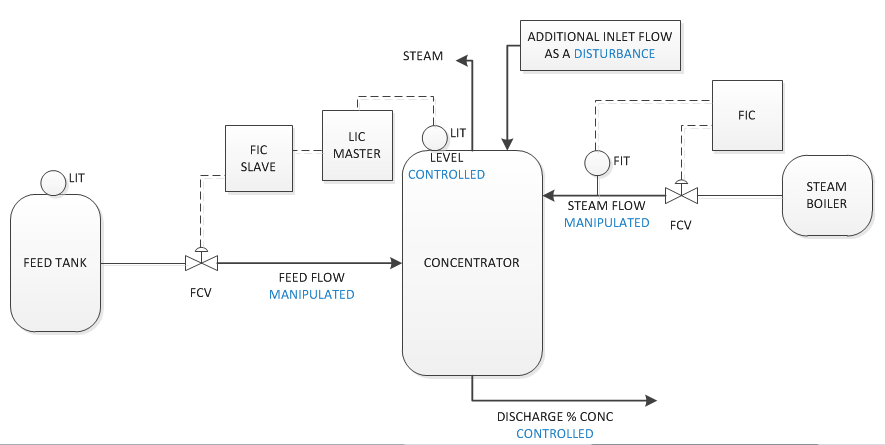
How to Setup and Identify Process Models for Model Predictive Control
Sometimes the design will need to change during a step test as you learn more about the process. -
 Feature
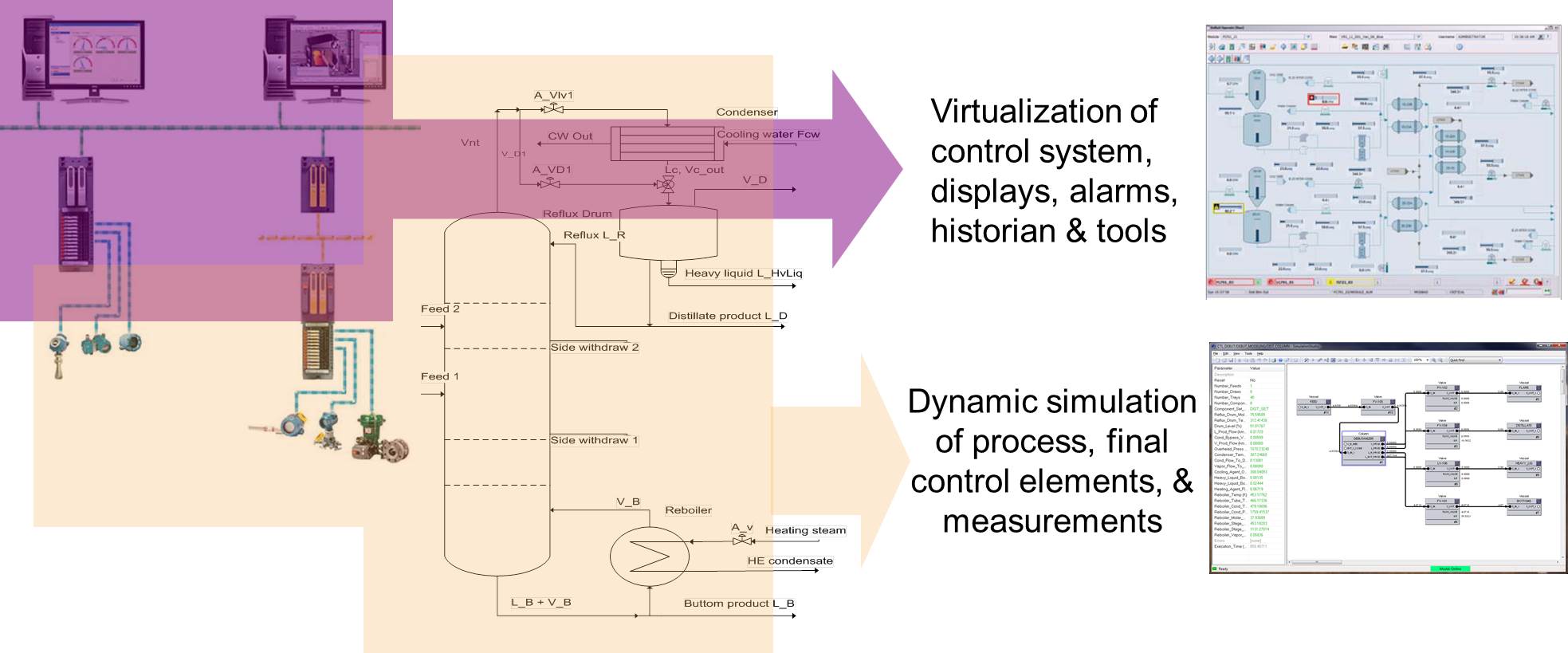
What Types of Process Control Models are Best?
First principle models can be used to gain a deeper understanding of cause and effects, process relationships, process gains, and the response to abnormal situations. -
 Feature
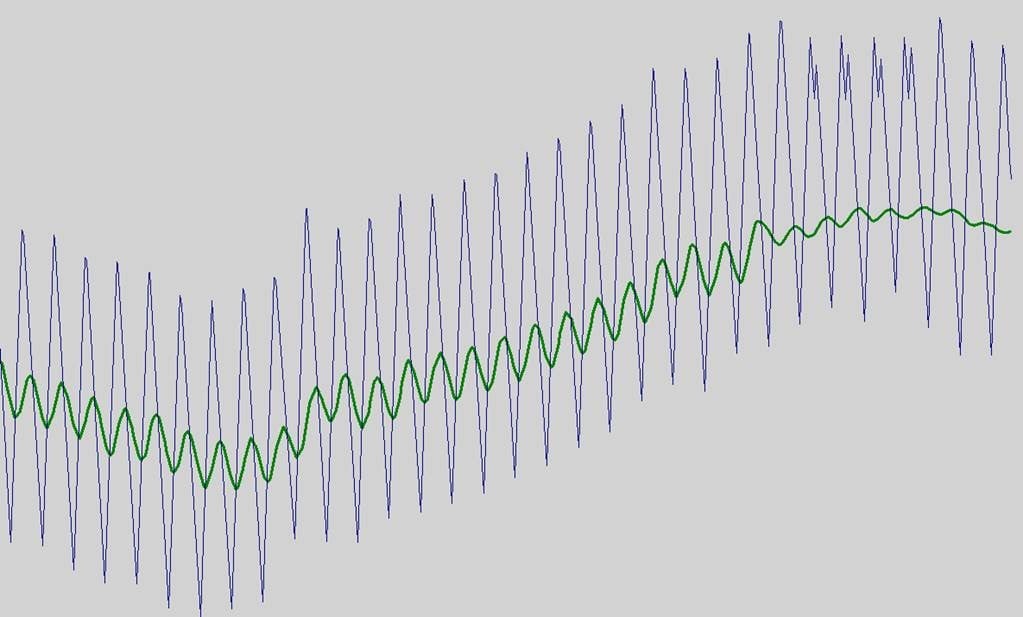
How to Get Rid of Level Oscillations in Industrial Processes
Use rate limiting when a ripple is significantly faster than a true change in the process variable. The velocity limit is the maximum possible rate of change of the level. -
 Feature
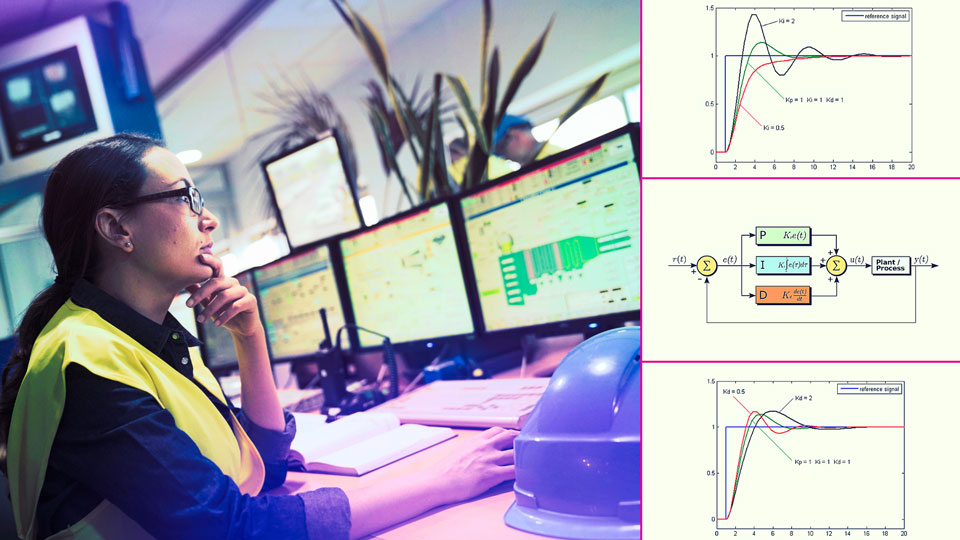
Webinar Recording: Loop Tuning and Optimization
Learn about the importance of process optimization and how to achieve it through better PID control from members of the ISA Mentor Program. -
 Feature
How to Optimize Industrial Evaporators
Model predictive control software identifies the dynamics and automatically incorporates them into the industrial evaporator controller. -
 Feature
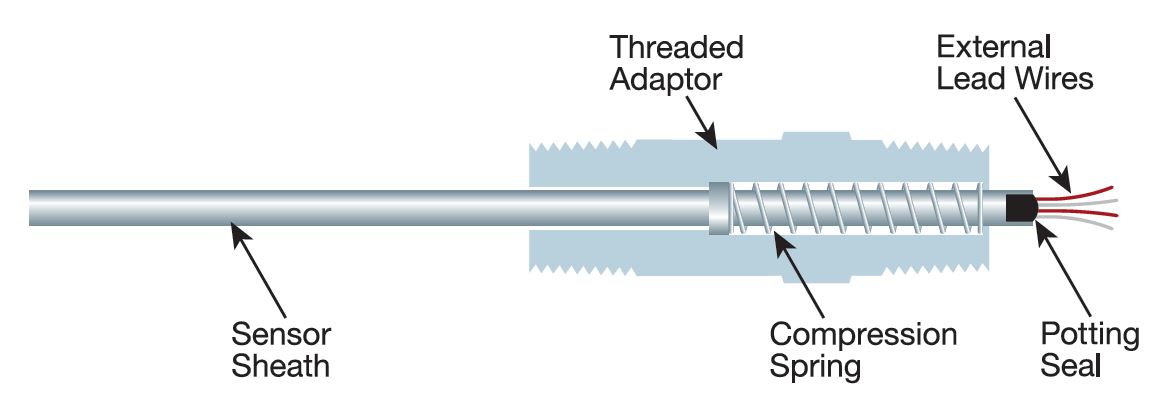
How to Calibrate a Thermocouple Temperature Transmitter
For critical industrial measurements, place the thermocouple in a bath or dry block or cross check the reading against another thermocouple. -
 Feature
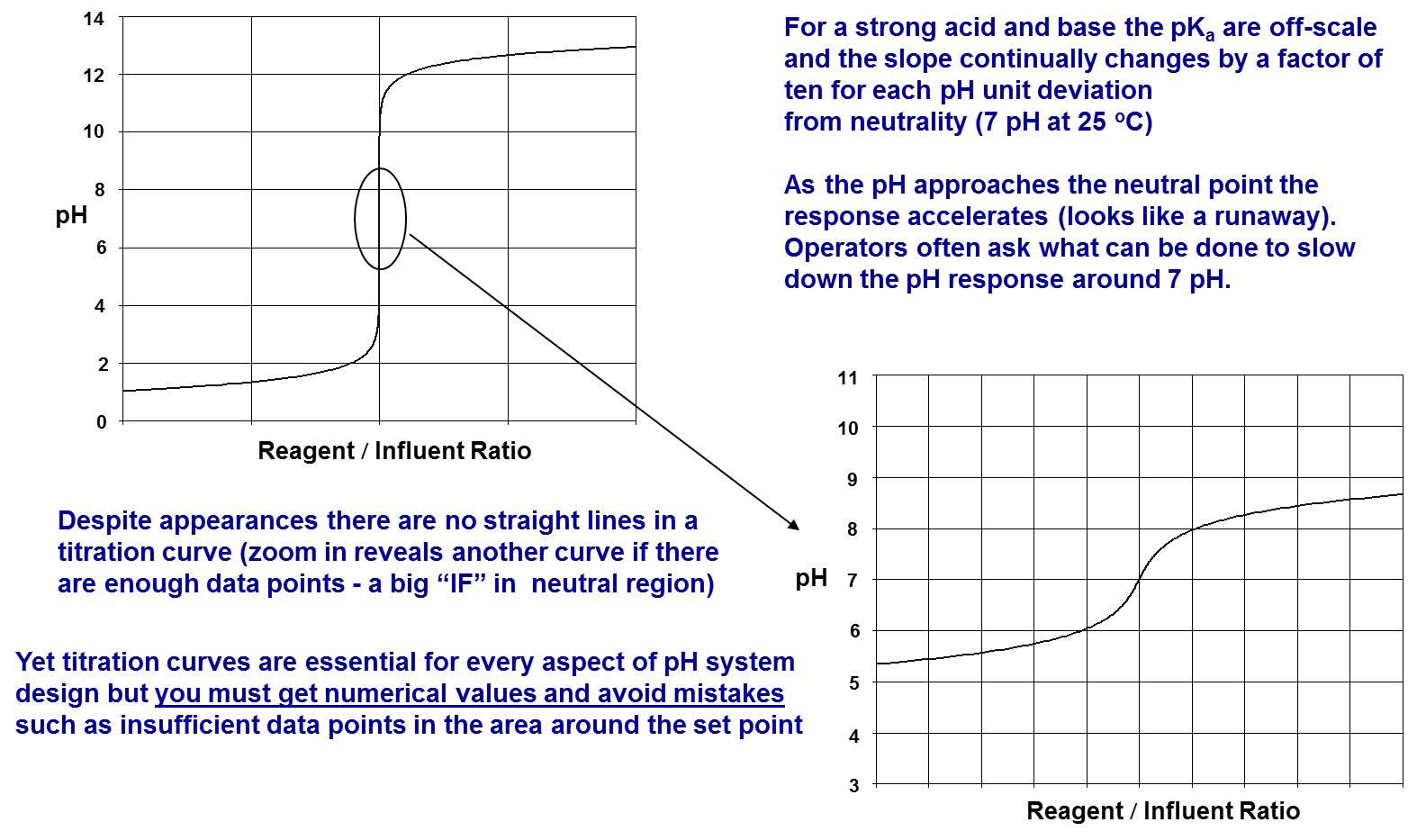
Key Insights to Control System Dynamics
Learn important strategies and concepts that can lead to a better industrial career and significantly improved system performance at your plant or facility. -
 Feature
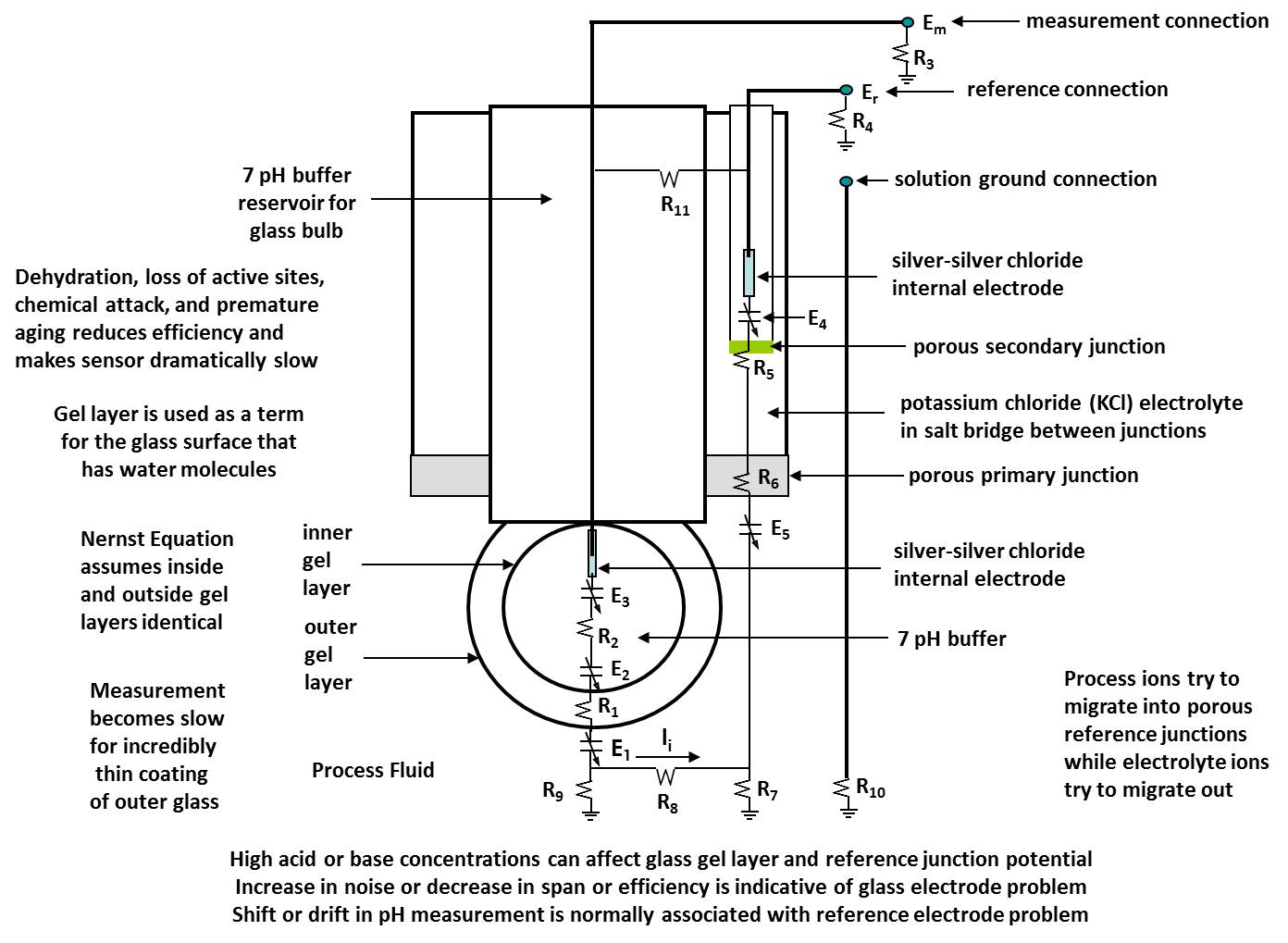
How to Measure pH in Ultra-Pure Water Applications
Ultra-pure water applications pose special problems because of the exceptionally low conductivity of the fluid from the absence of ions. The consequences are extreme sensitivity to fluid velocity and -
 Feature
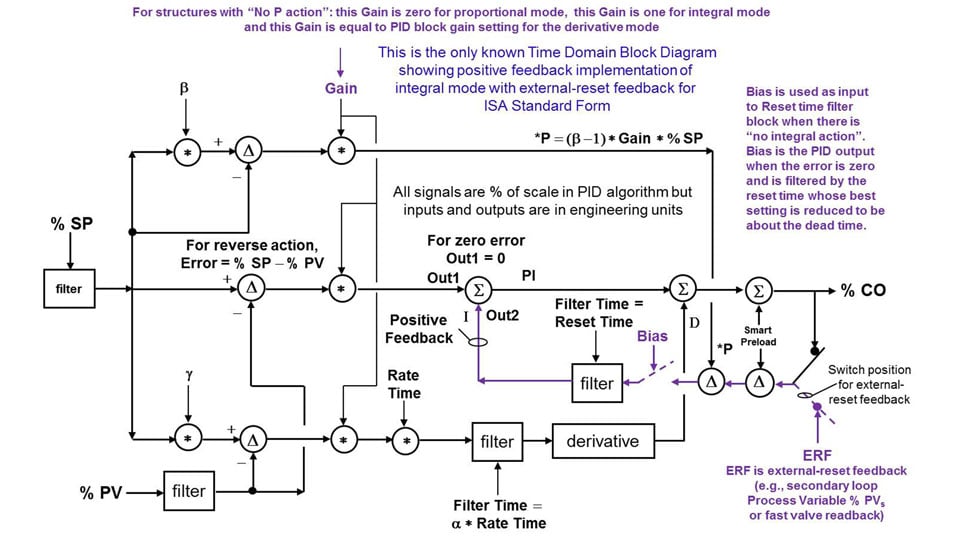
How to Optimize PID Controller Settings and Options
Technical guidance on ways to optimize settings and options for PID controllers from industry veteran Greg McMillan and participants in ISA's Mentor Program. -
 Feature
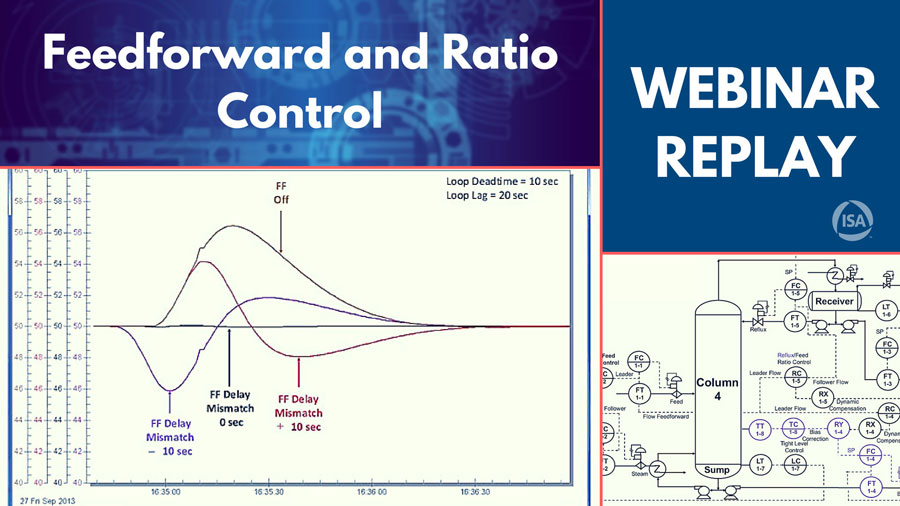
Webinar Recording: Feedforward and Ratio Control
Key insights on how feedforward control often simplifies to ratio control. -
Feature
Webinar Recording: Strange but True Process Control Stories
Listen to Greg McMillan's lessons learned the hard way during a 40-year career in process control industries. Many of the mistakes made in the field are still being made today, some posing safety risk -
Feature
Webinar Recording: Temperature Measurement and Control
Temperature is the most important common measurement that is critical for process efficiency and capacity. -
 Feature
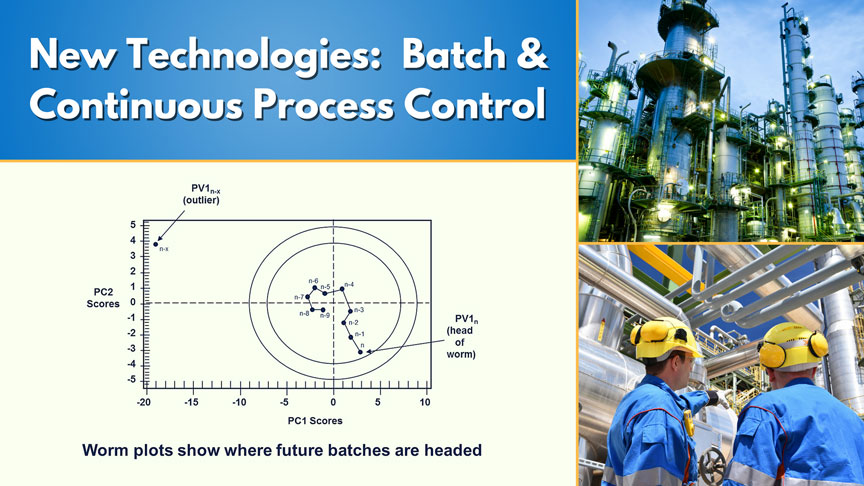
What are New Technologies and Approaches for Batch and Continuous Process Control?
For any type of analysis or prediction, whether using ANN or MSPC, you need to have inputs that show the variability in the process. -
 Feature
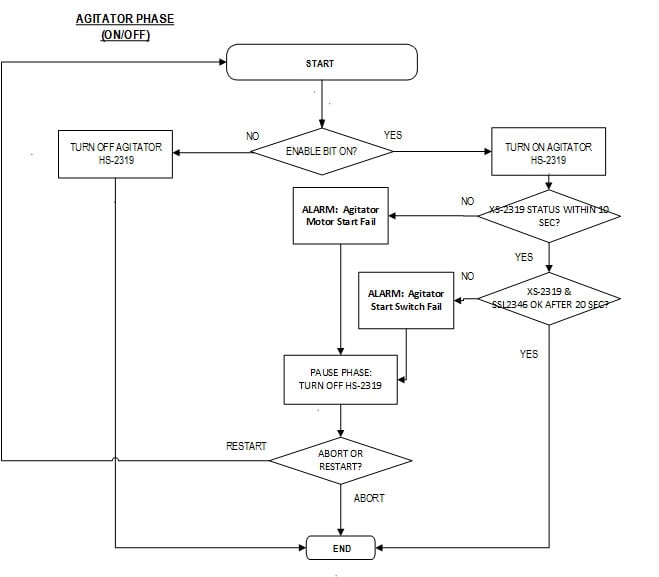
What Are Best Practices and Standards for Control Narratives?
When creating detailed control narratives for existing controls, use established standards and industry best practices. -
 Feature
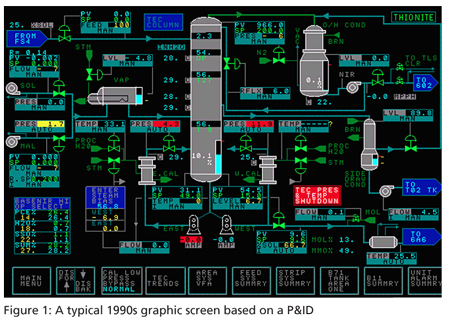
When and How to Use Derivative Action in a PID Controller
The least frequently used mode in a PID controller, derivative is more useful when dead time is not pure dead time but is a series of small time constants. -
 Feature
How to Manage Pipeline Valve Positioner and PID Tuning
In general use the highest valve positioner gain that does not cause oscillation. For pipeline flow and pressure control, oscillations are not filtered. -
 Feature
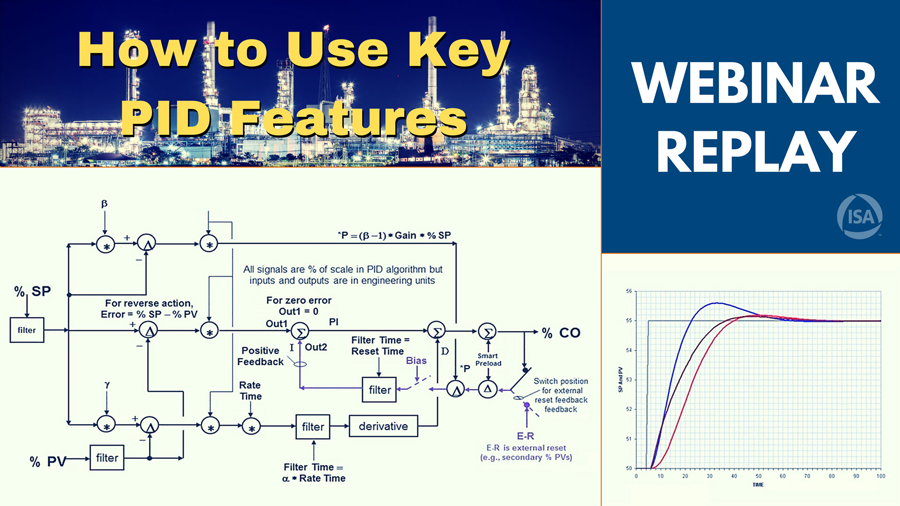
Webinar Recording: How to Use Key PID Controller Features
Learn how to use key PID features that can greatly expand what you can achieve. Includes innovative application examples for feedforward and rate limiting. -
 Feature
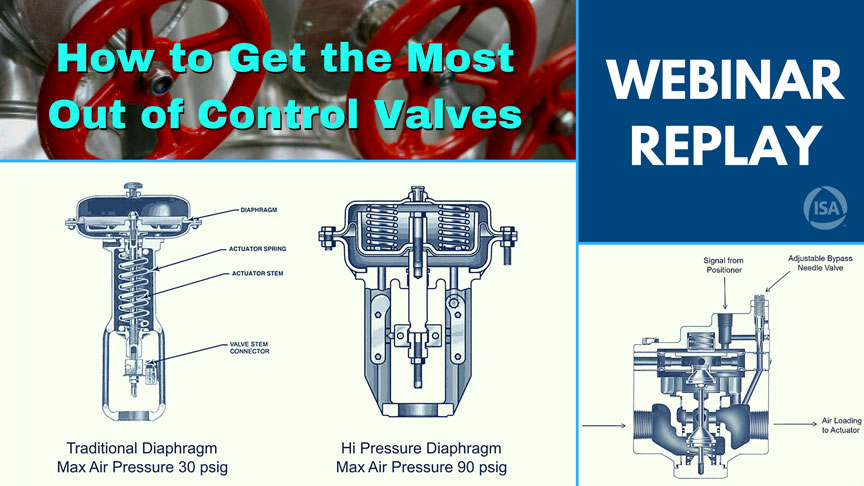
Webinar Recording: How to Get the Most Out of Control Valves
The data that is really needed when selecting and sizing a control valve is rarely understood and specified. -
 Feature
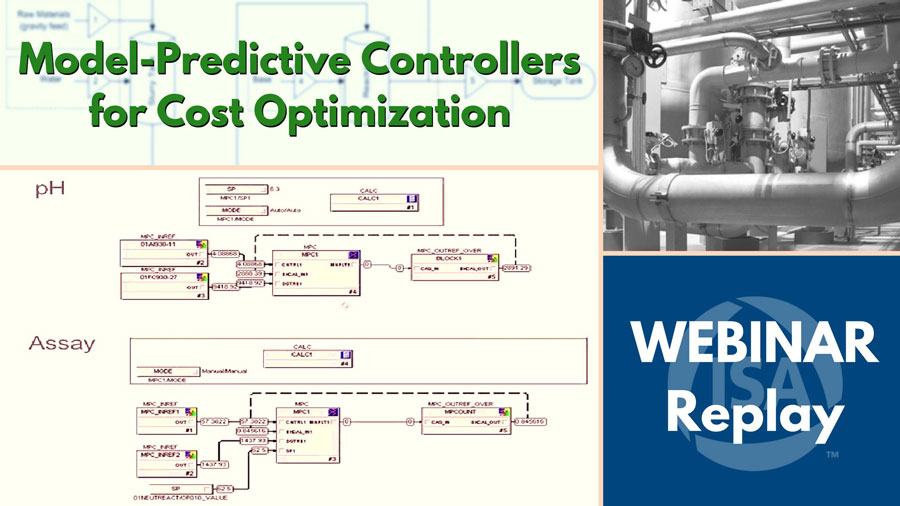
Webinar Recording: Model-Predictive Controllers for Cost Optimization
How to develop a proper control system for separation of multiple batch components by vacuum stripping. -
 Feature
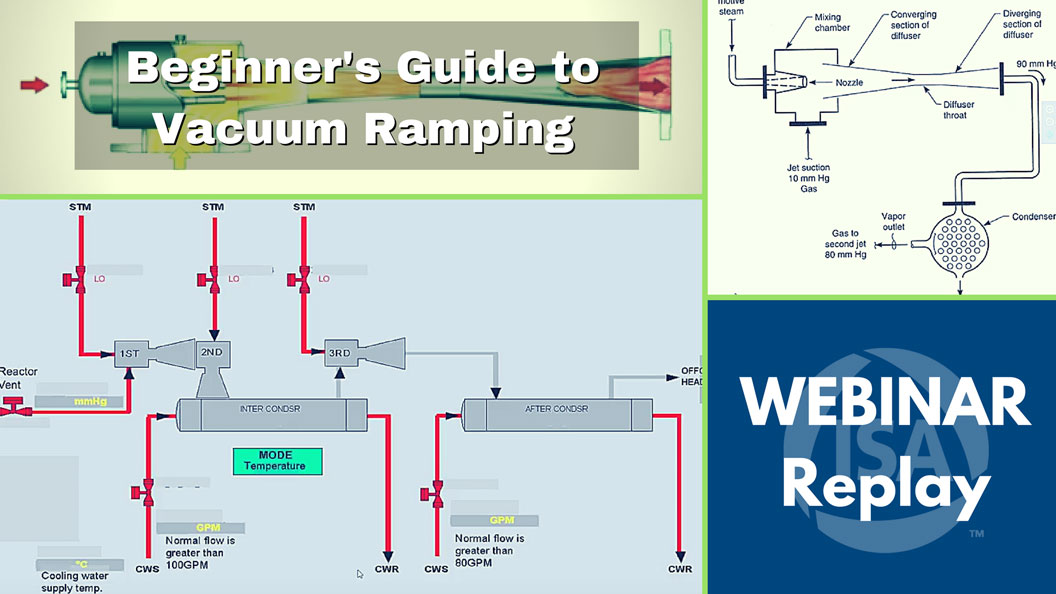
Webinar Recording: Beginner's Guide to Vacuum Control
Understanding fundamental principles & limitations of process equipment is key to developing a proper control system for separation of multiple batch components by vacuum stripping. -
 Feature
What Are Best Cutover Strategies for Upgrading an Industrial Plant?
When retrofitting an industrial plant, review budget, schedule, financial justification for the project, as well as all areas of concern such as shutdown. -
 Feature
The Good, Bad, and Ugly of Thermal Mass Flowmeters
Thermal mass flowmeters can be a relatively inexpensive flowmeter that can handle extremely small and large flows -
Feature
PID Tuning for Near and True Integrating Processes
The most important loops on vessels and columns typically have a near or true integrating response. -
 Feature
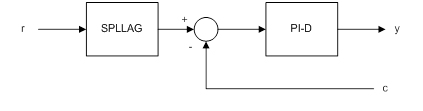
What are the Equivalent Methods to Eliminate Proportional Step and Derivative Kick?
There are several methods for eliminating or controlling the proportional step and derivative kick in a PID output resulting from a change of setpoint. -
 Feature
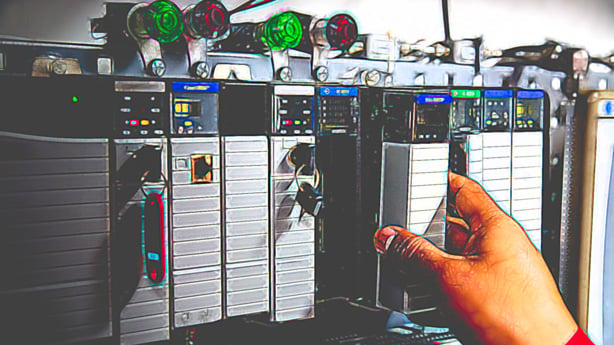
What Is the Definition of PID Bumpless Transfer?
Bumpless transfer and how a new operating point can be achieved quickly and smoothly after the PID is switched to automatic mode. -
Feature
How Do You Measure Control System Performance?
Seek a suite of practical metrics in terms of key performance indicators that can have an impact on plant control system performance. -
 Feature
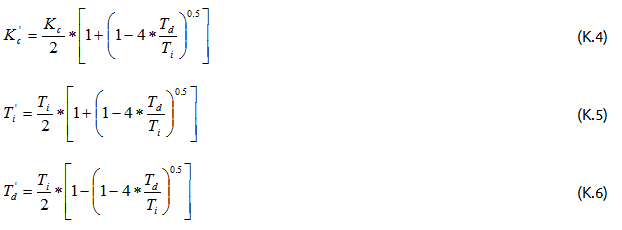
How Do You Convert Tuning Settings of an Independent PID?
Considerable confusion exists on how the PID Form affects tuning settings. Lack of understanding of Form & units of settings can lead to disastrous results. -
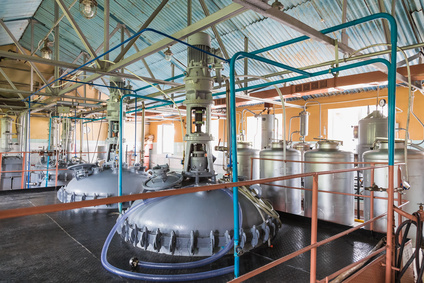 Feature
What are the Implications of Industrial Reactor Type on Control?
The effect of reactor type on dynamic response, allowable measurement lags and delays, controller tuning, and control strategies is significant. -
 Feature
Top 10 Mistakes Made Every Day in pH System Design
In pH control systems reagent piping and injection must minimize transportation delays, volumes must have proper geometry and agitation to maximize the process time constant that filters pH oscillatio -
Feature
How to Smooth the Transition Between Batch and Continuous Operations
The unbalance between continuous operation flow & instantaneous batch flow can be spread over available inventory by an adapted rate limited feedforward.