



©2026 Automation.com, a subsidiary of the International Society of Automation.
-

 ISA provides technical resources and standards to help industrial automation professionals advance their careers and the field. We enable automation professionals worldwide to solve problems and enhance their skills by bringing people together to create new technologies and share best practices with future automation professionals.
-
ISA Resources
-
Upcoming Events
-
Industry Insights
-
Consortia
-

ISA Global Cybersecurity Alliance
The ISA Global Cybersecurity Alliance (ISAGCA) is a collaborative forum to advance OT cybersecurity awareness, education, readiness, standardization and knowledge sharing. ISAGCA’s global ecosystem includes leaders such as Chevron, GSK, Trane Technologies, Honeywell, Johnson Controls, Schneider Electric, Rockwell Automation and Fortinet, among others. For more information, visit www.isagca.org.

230 Results Found
-
 Feature
White Paper Excerpt: Implementing an IACS Cybersecurity Program
The IACS white paper is intended to address the needs of owner/operators of industrial facilities. -
 Feature
Automation Systems Cybersecurity: From Standards to Practices
Cybersecurity practices will ultimately be determined by asset owners. -
 Feature
A Look at the Industrial Cybersecurity (ICS) Knowledge Survey
The survey is designed to determine a reasonable foundational set of knowledge needed to secure control systems. -
 Feature
IEC Designates ISA/IEC 62443 as a Horizontal Standard
The designation of ISA/IEC 62443 as a horizontal standard will have many benefits to many different vendor stakeholders. -
 Feature
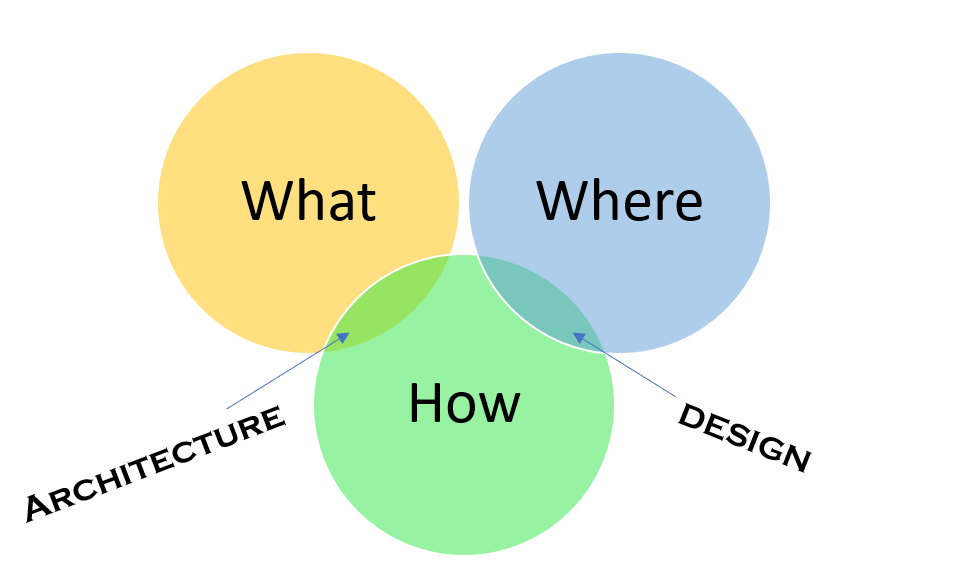
Architecture vs. Design
Distinguishing between design and architecture is very important for any project. -
 Feature
Excerpt: LOGIIC's Project 12 Safety Instrumentation Report
Read an excerpt from LOGIIC's April 2021 report: Project 12 Safety Instrumentation. -
 Feature
7 Practices to Help You Become Security Conscious
Check to see if you're following these seven principles to good cybersecurity. -
 Feature
Securing Energy Infrastructure from Cyber Threats
How software in energy infrastructure can be better secured from cyber threats. -
 Feature
Call for Volunteers: ICS4ICS Improves Management of ICS Cybersecurity
Participate in the ICS4ICS effort today! -
 Feature
The Problem with Platform Ascendency for Cyber-Physical Integrations
Data integration requires understanding every layer of connectivity and the utility derived from increased digital complexity.